Blog
EV Charger OEM, ODM and White Label: Which Route Fits Your Brand?
EV CHARGER OEM · BUYER GUIDE EV Charger OEM, ODM and White Label: Which Route Fits Your Brand? Putting your name on a charger changes

EV CHARGER OEM · BUYER GUIDE EV Charger OEM, ODM and White Label: Which Route Fits Your Brand? Putting your name on a charger changes
180 kW DC · BUYER GUIDE 180 kW DC Charger: What It Really Delivers and When It Beats 120 kW A 180 kW rating is
GRID CAPACITY · SITE PLANNING GUIDE EV Charging Transformer Sizing: How to Calculate kVA, Demand and Headroom Check spare capacity before you choose chargers. Convert
AC VS DC CHARGING · BUYER GUIDE AC vs DC Charger for Commercial Use: Which One Do You Need? Let parking time decide. Size the

OFF-GRID SOLAR · DC SITE DESIGN GUIDE Off-Grid Solar EV Charging Station: PV, Battery, Autonomy and DC Site Design Separate charger kW, daily kWh, autonomy
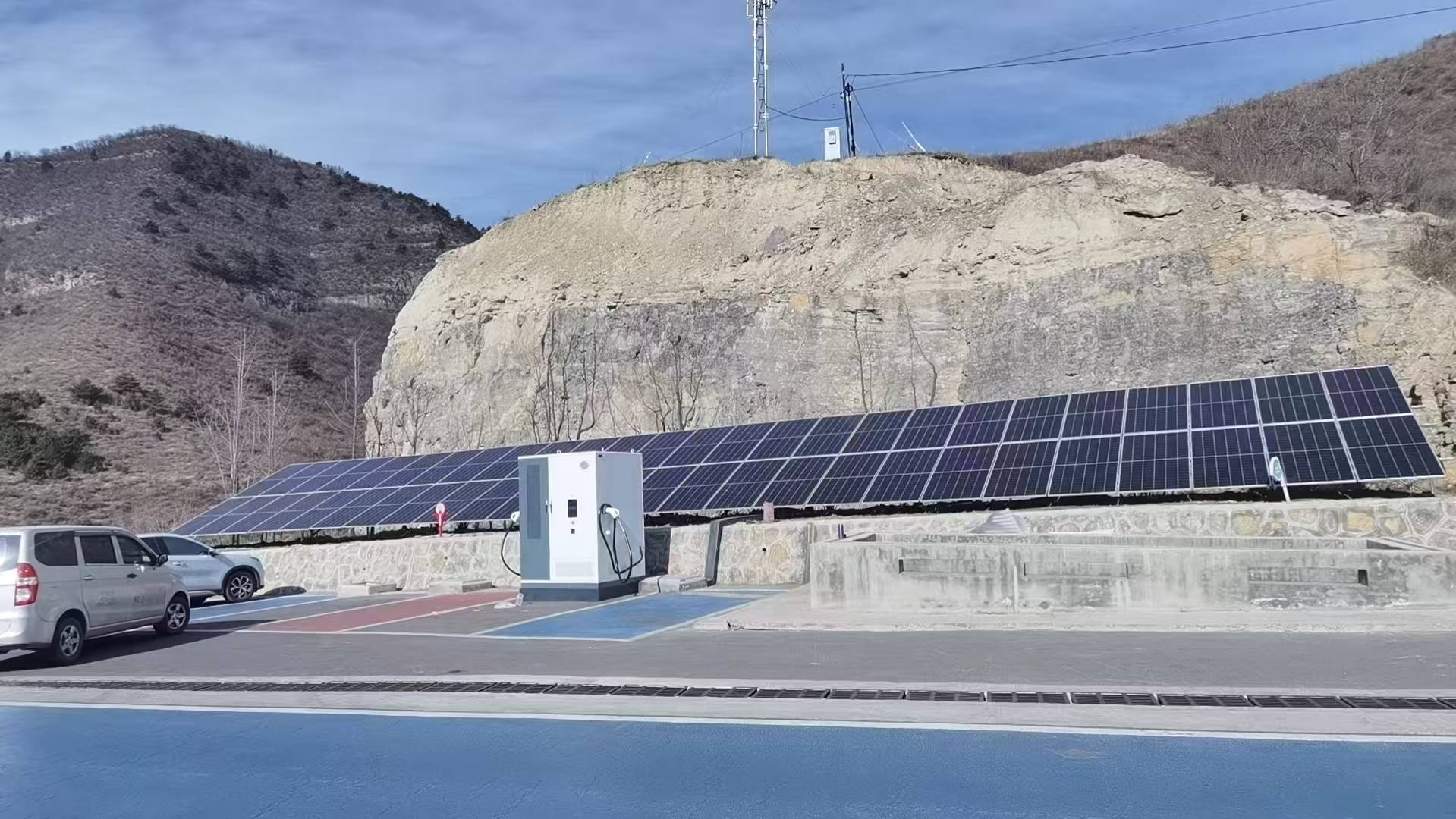
REMOTE DC CHARGING · HYBRID POWER GUIDE Diesel-PV-Battery Hybrid EV Charging: Sizing an Off-Grid DC Site Separate charger kW from daily kWh, keep the genset
Compare native NACS DC chargers, CCS1 retrofits and approved adapter paths. Check vehicle compatibility, power and acceptance evidence before buying.
Choose a DC connector mix from your actual vehicles and charging windows, with a practical compatibility record and configuration-specific RFQ checklist.
A configuration-first guide to vehicle fit, site input, dual-output allocation and RFQ evidence for a 60 kW DC charger.
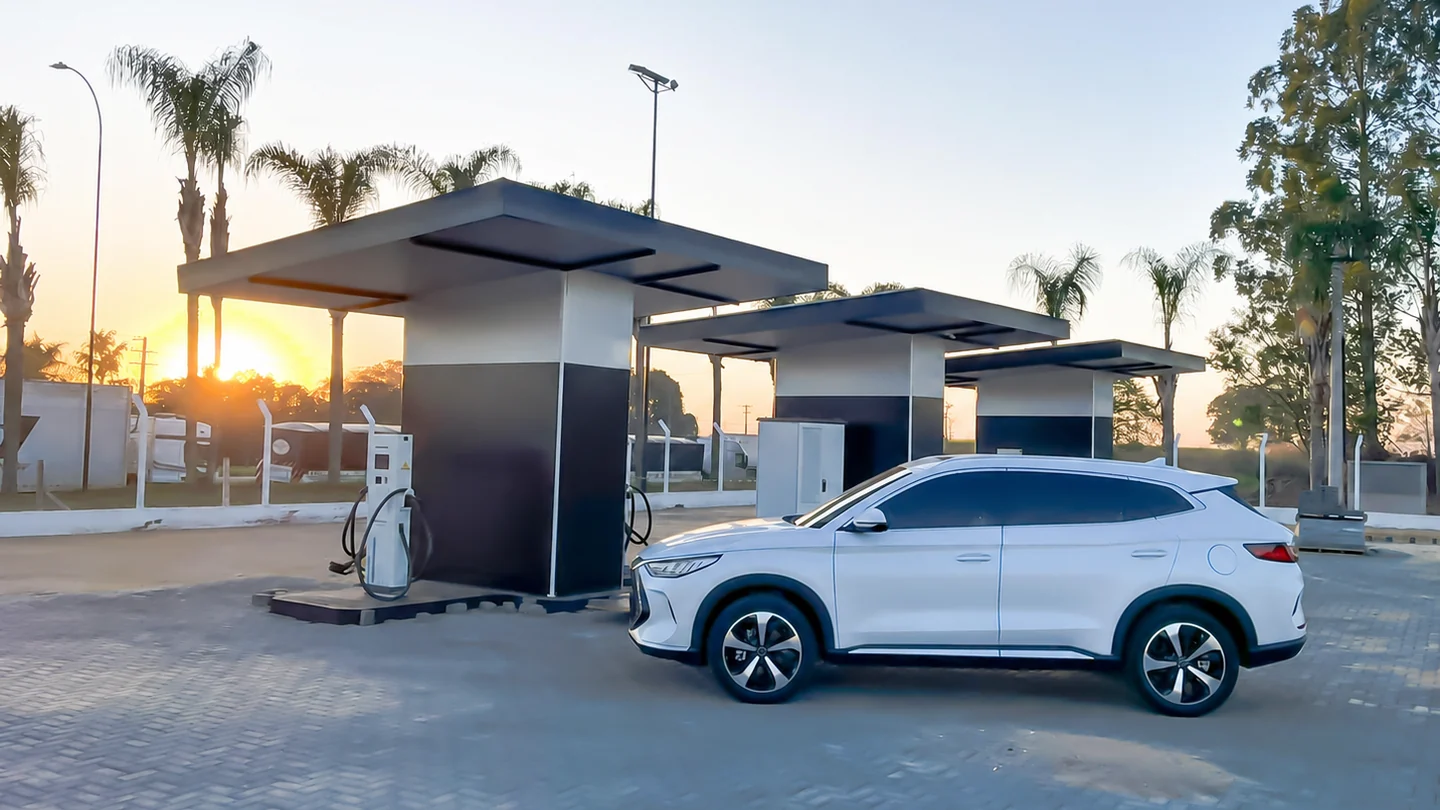
Estimate electric-car charging time from usable energy, vehicle limits, average accepted power, SOC, temperature, power sharing and site dwell—not charger kW alone.
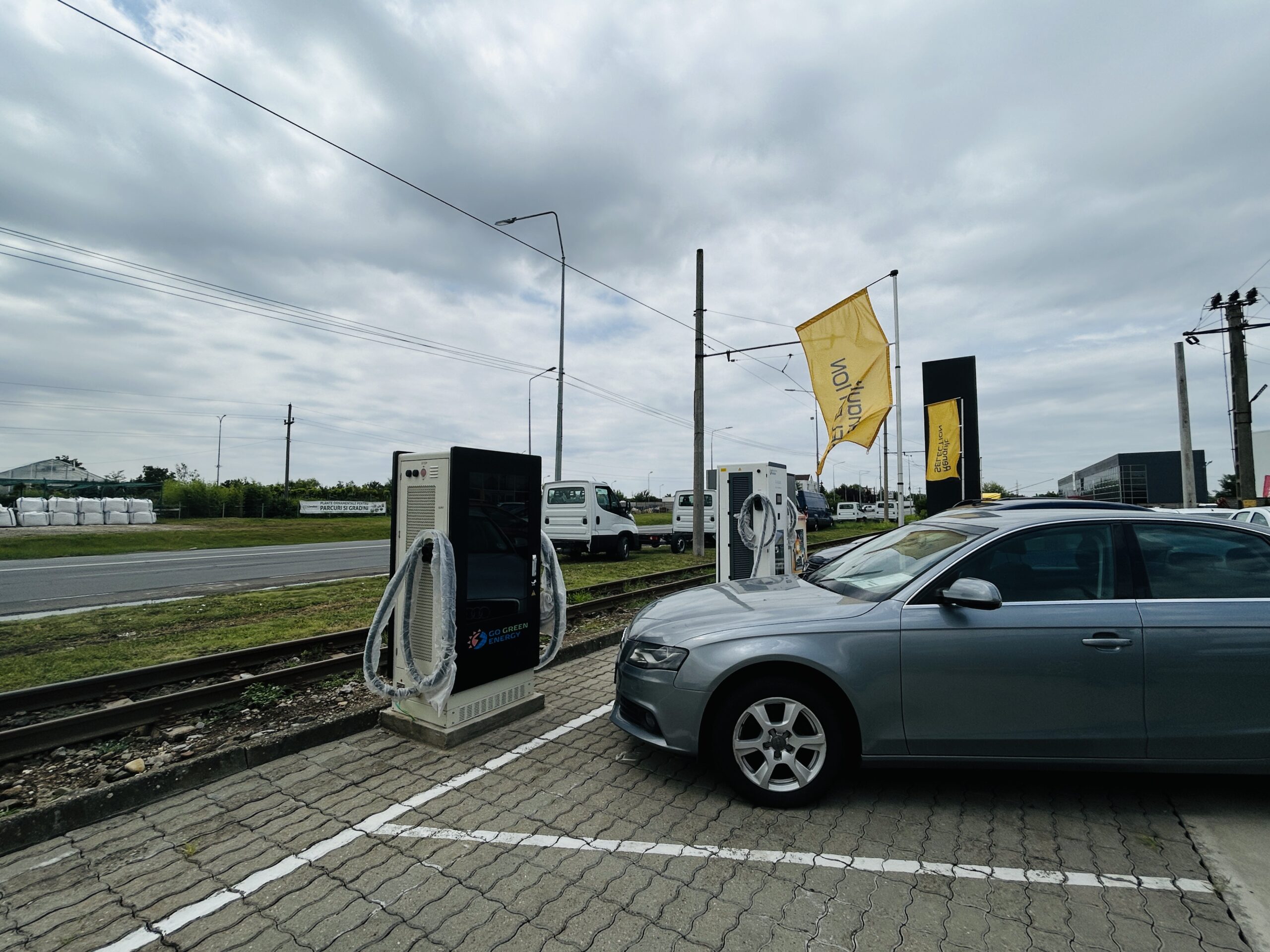
Qualify a 240 kW DC charger through connector allocation, vehicle limits, site capacity, comparable RFQ scope and witnessed FAT/SAT evidence.
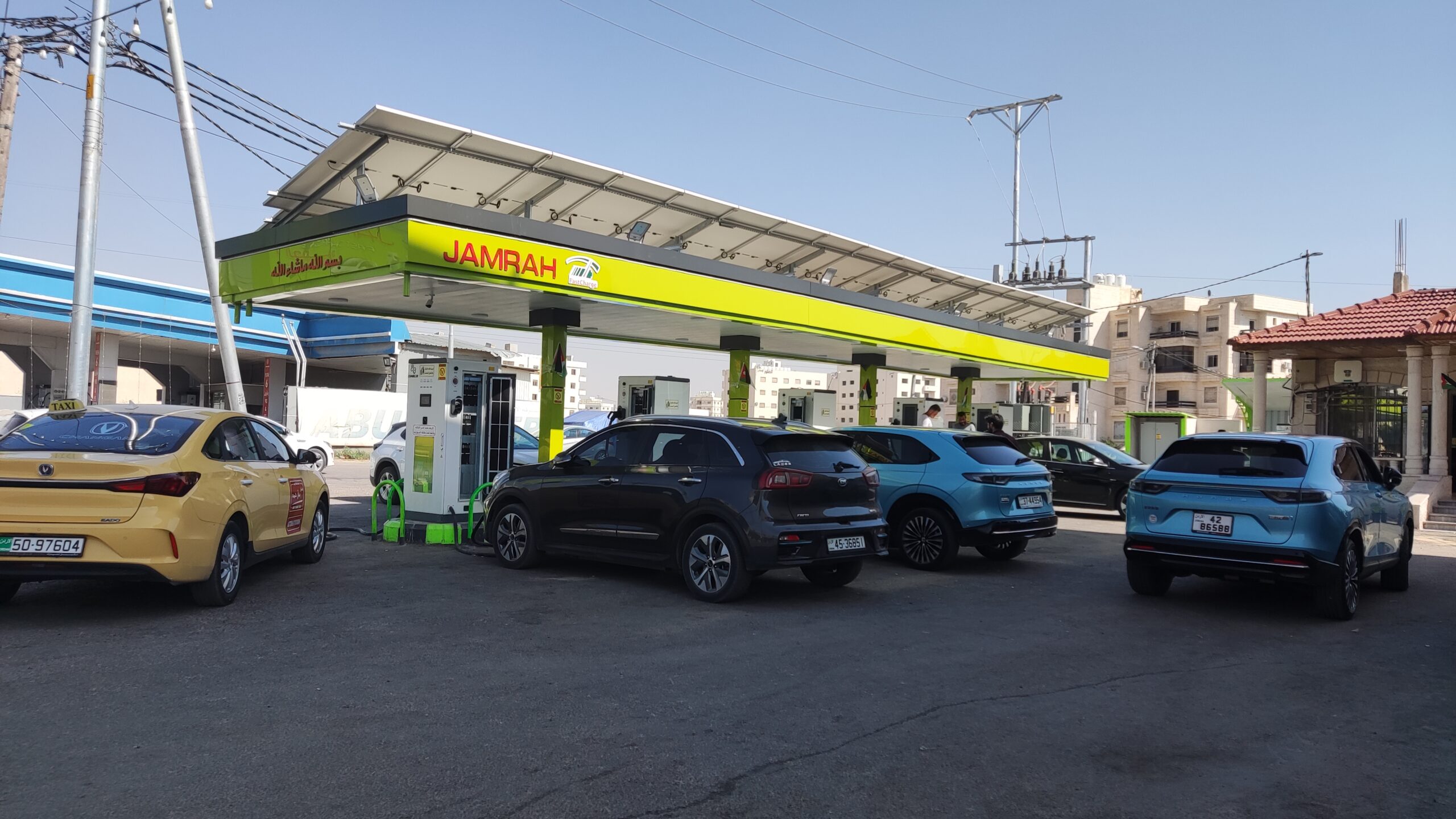
Qualify a 480 kW DC charging project through cabinet-to-bay allocation, vehicle fit, site interfaces and FAT/SAT evidence.