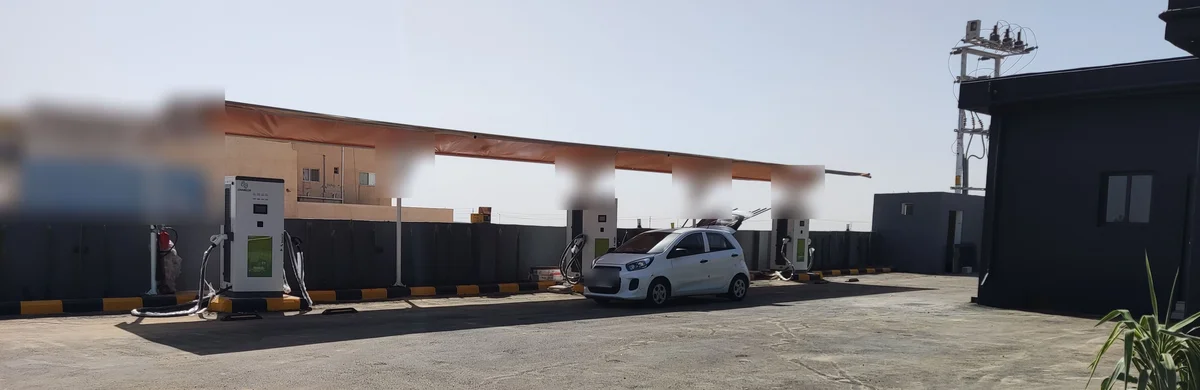
EV Charging Guide
120 kW DC Charger: Vehicle Fit, Dual-Gun Output, Site Inputs and Price Guide
Qualify a 120 kW DC charger by vehicle fit, dual-gun allocation, site electrical inputs, price scope and FAT/SAT evidence before requesting a quote.

Qualify a 120 kW DC charger by vehicle fit, dual-gun allocation, site electrical inputs, price scope and FAT/SAT evidence before requesting a quote.
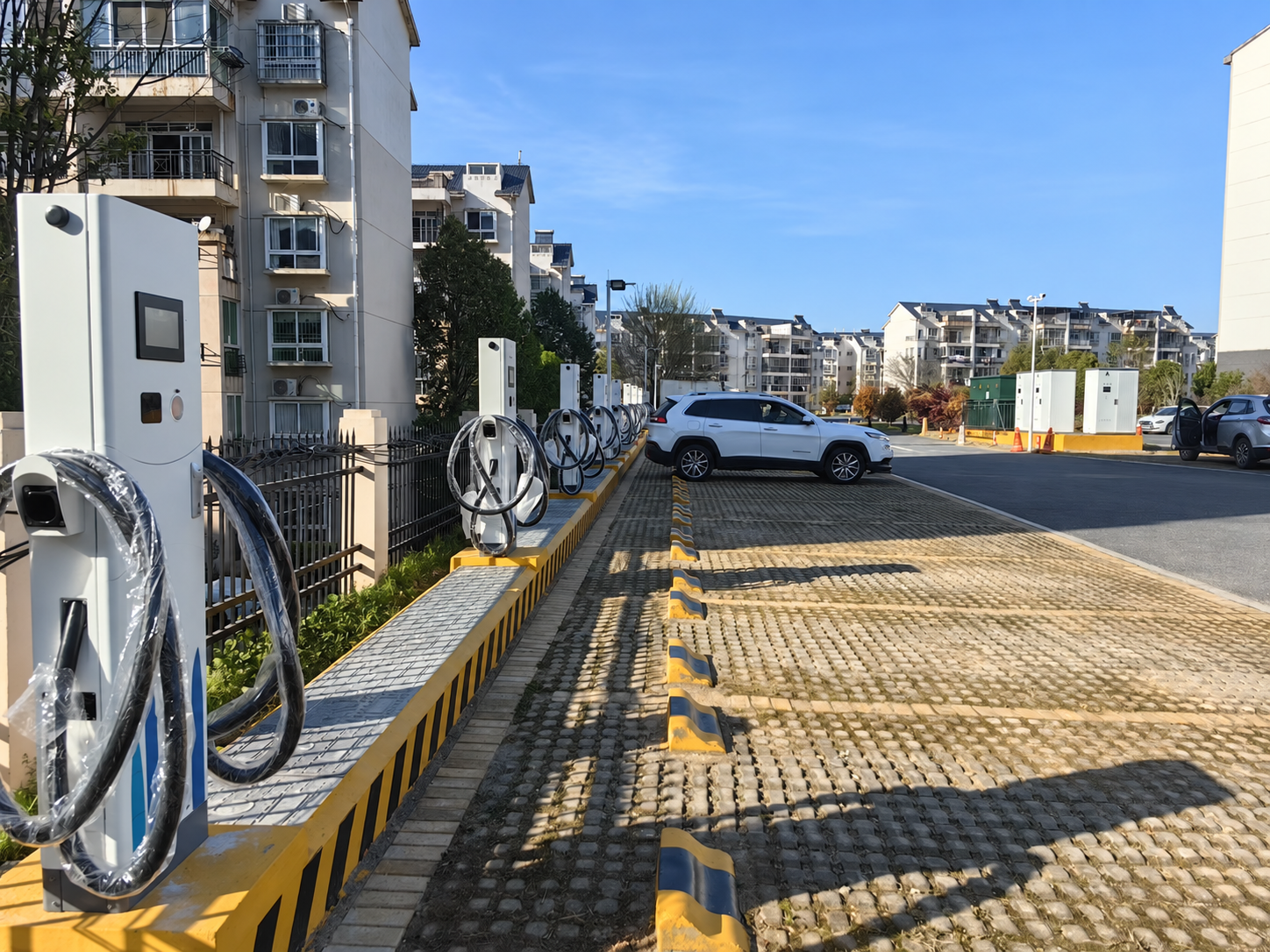
Evaluate a 350 kW DC charger through vehicle acceptance, connector limits, site import, power sharing and FAT/SAT evidence before requesting a configuration-specific quote.
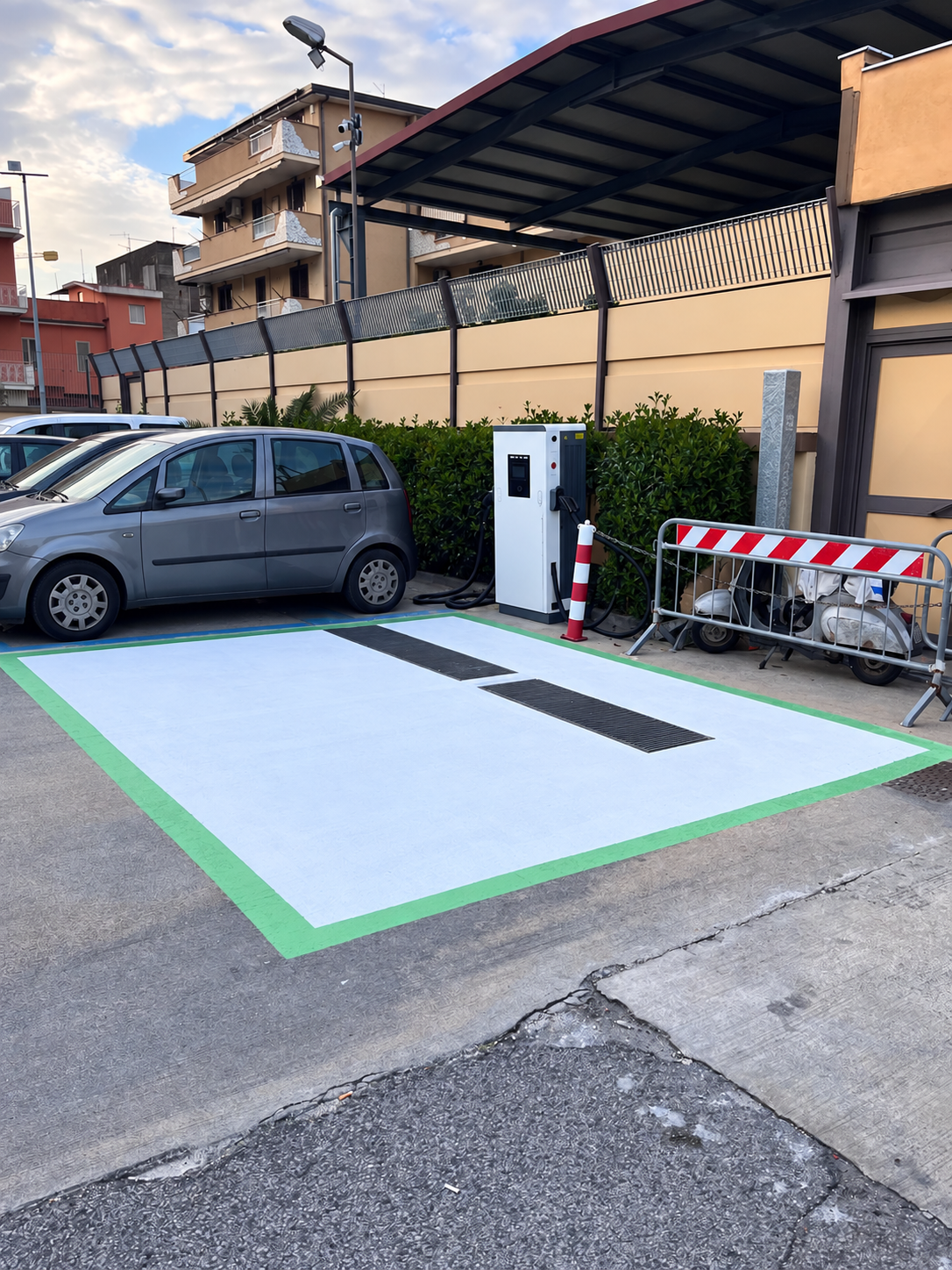
Choose a 120, 240 or 480 kW DC charger with a five-ceiling test for vehicle acceptance, concurrency, site capacity and FAT/SAT evidence.
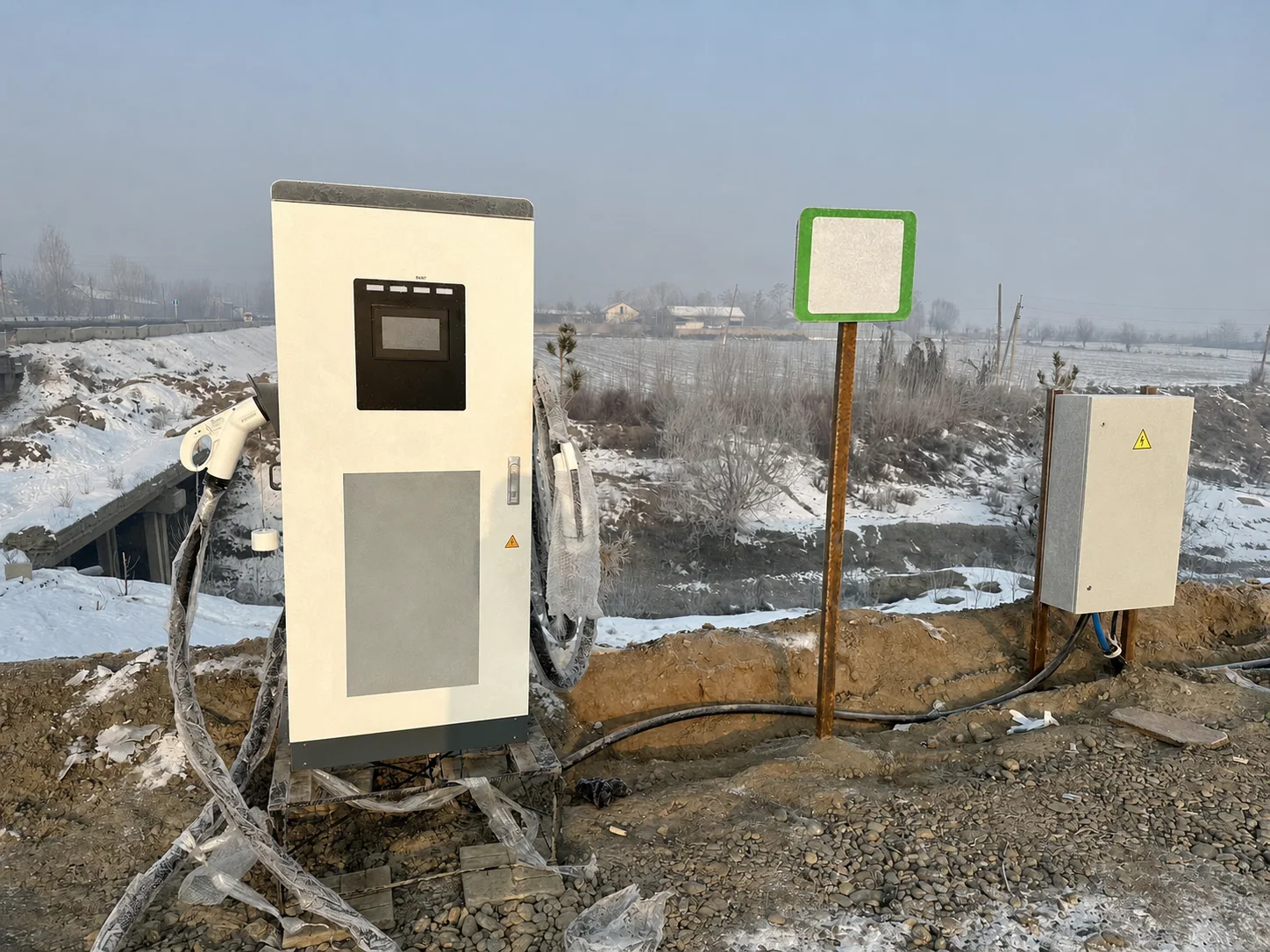
A buyer-first checklist to verify a DC charger manufacturer, exact SKU, certificates, FAT/SAT and change control before a bulk order.
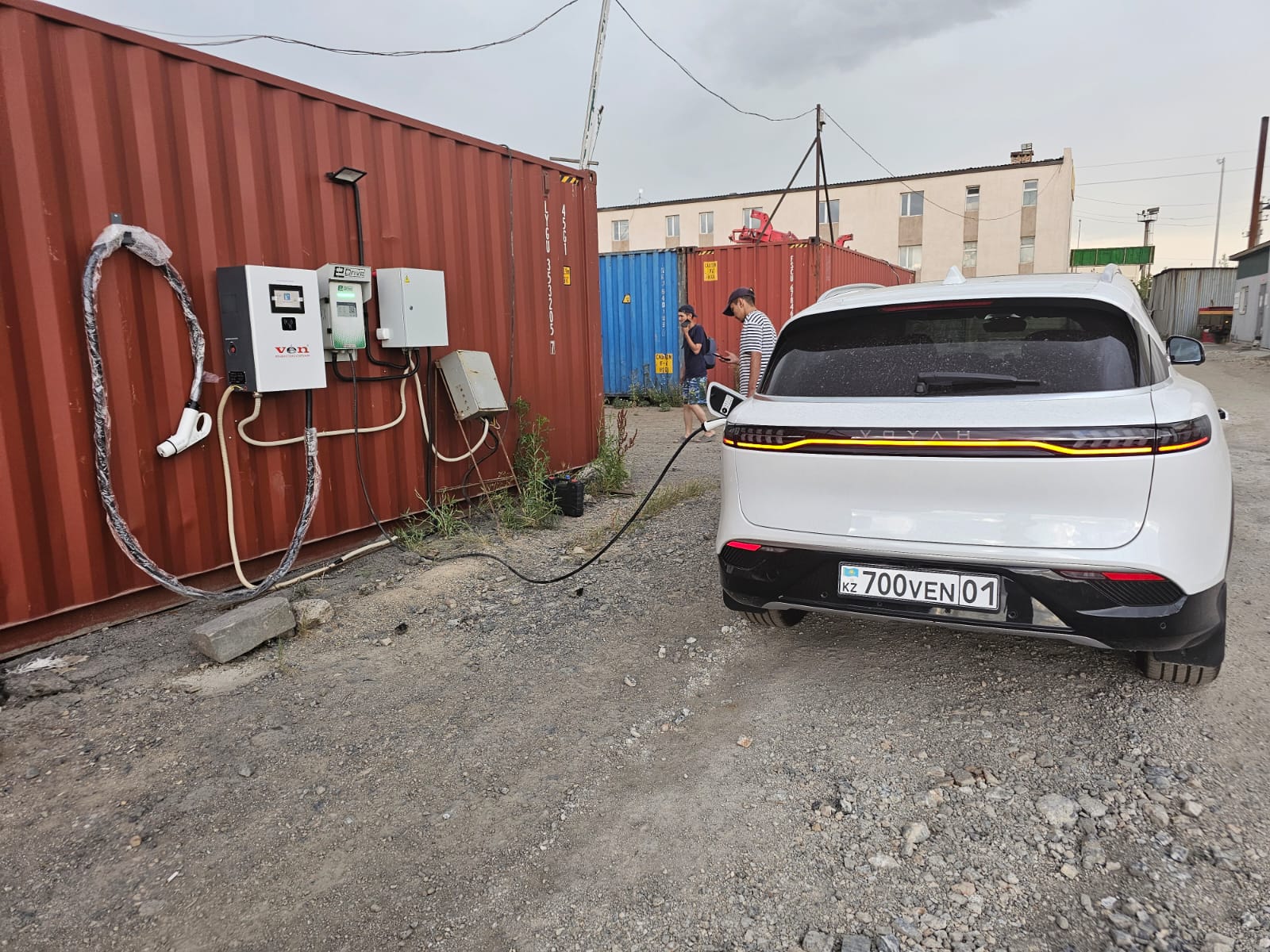
Understand GB/T EV charging interfaces, DC standards and the procurement checks required for international projects.
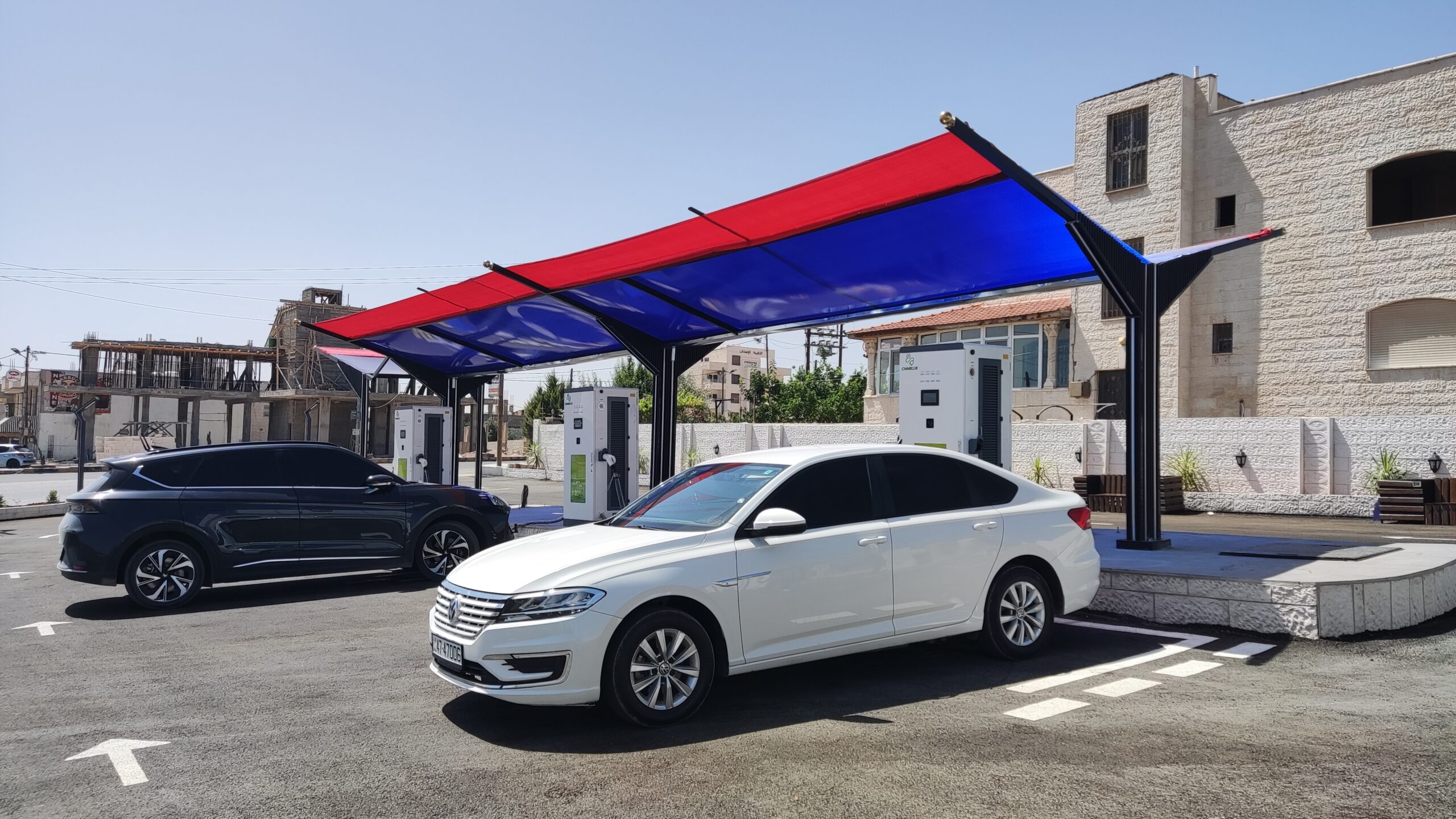
A DC-first fleet charging guide covering duty cycles, vehicle acceptance, depot power, managed charging and RFQ evidence.
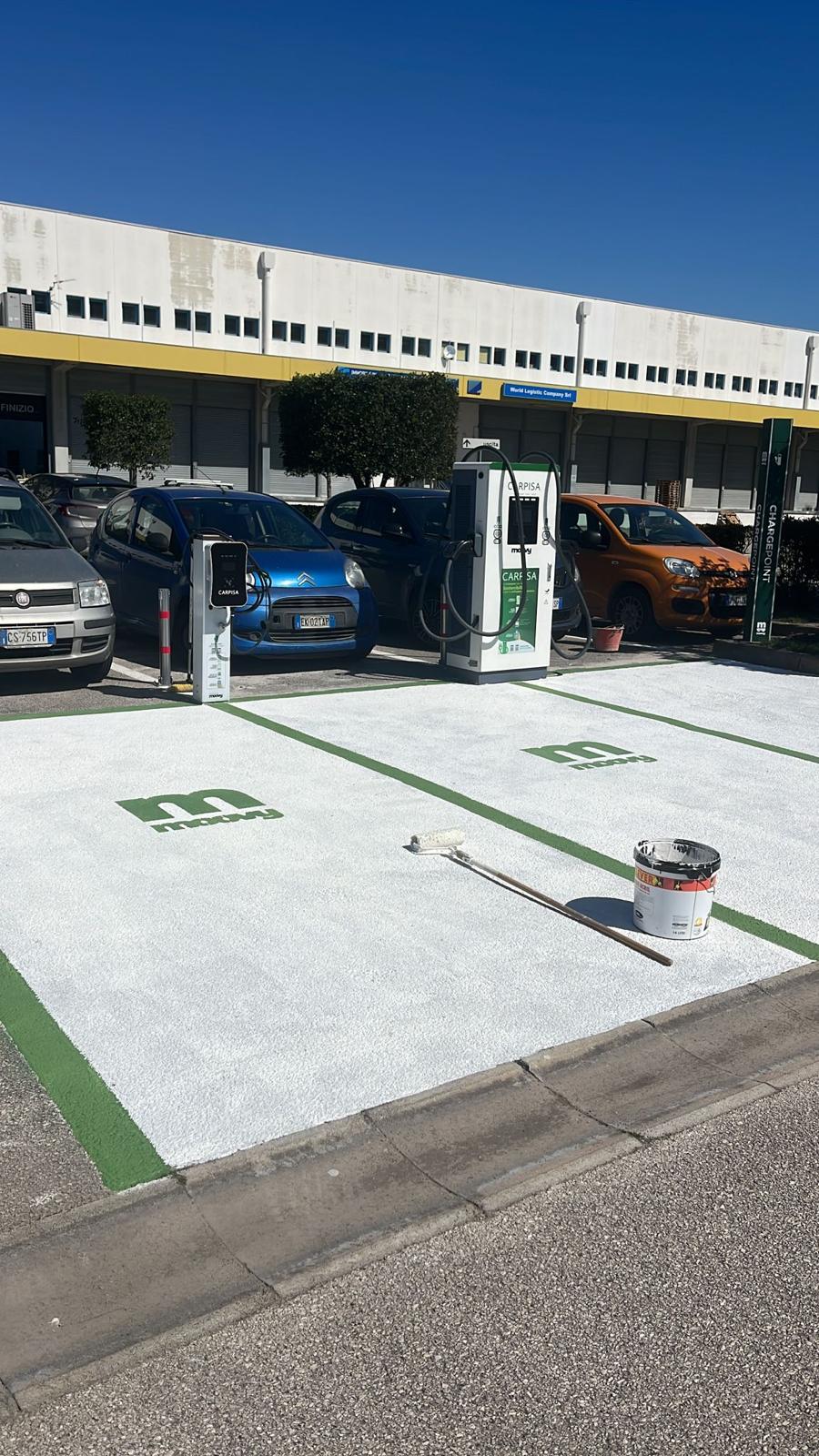
Translate charging pile terminology into a DC charger, cabinet, dispenser and station specification for international procurement.
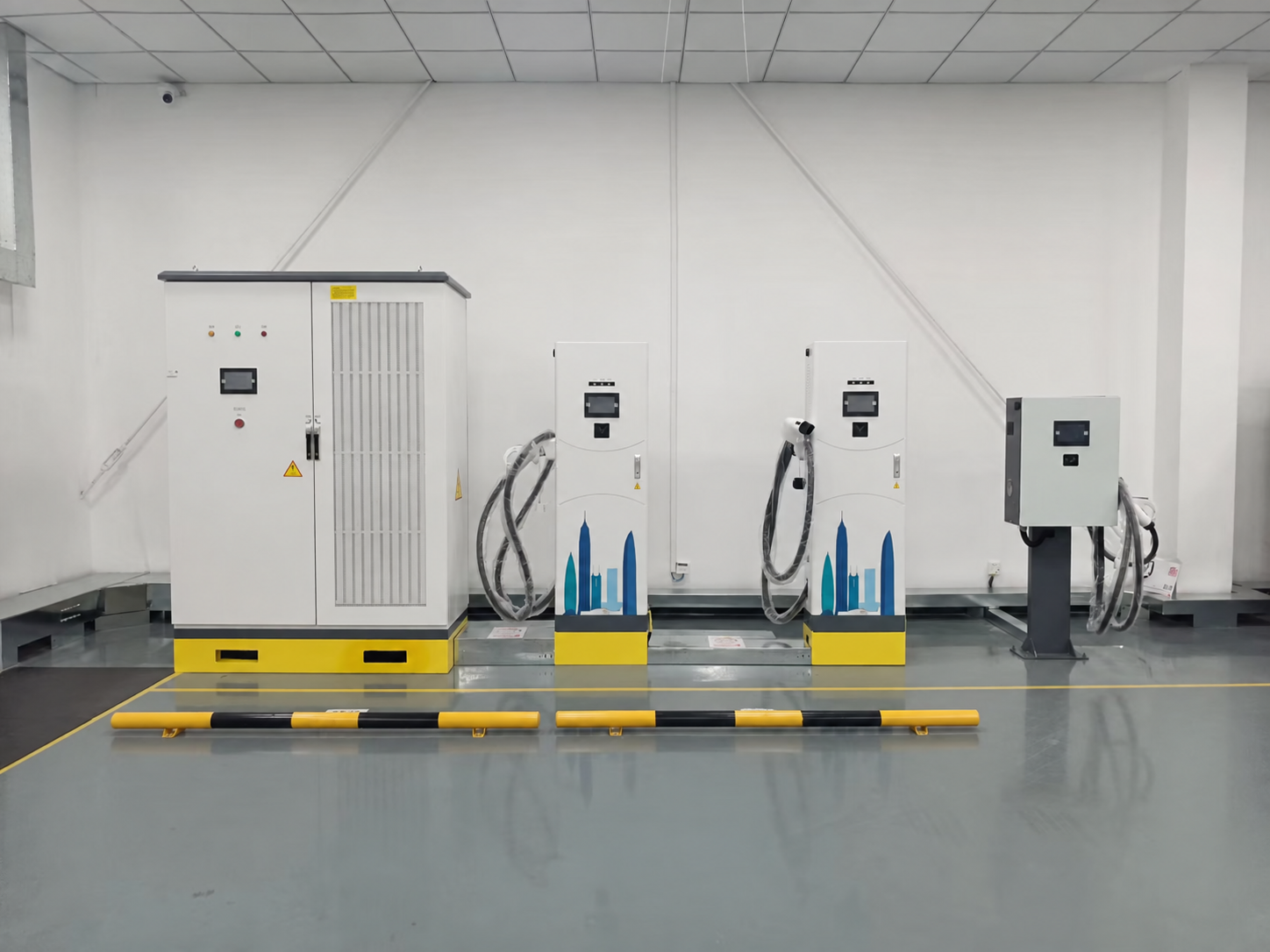
Compare V2L, V2H, V2B and V2G, then qualify the vehicle, charger, site, grid, controls and commercial program before buying bidirectional EV equipment.
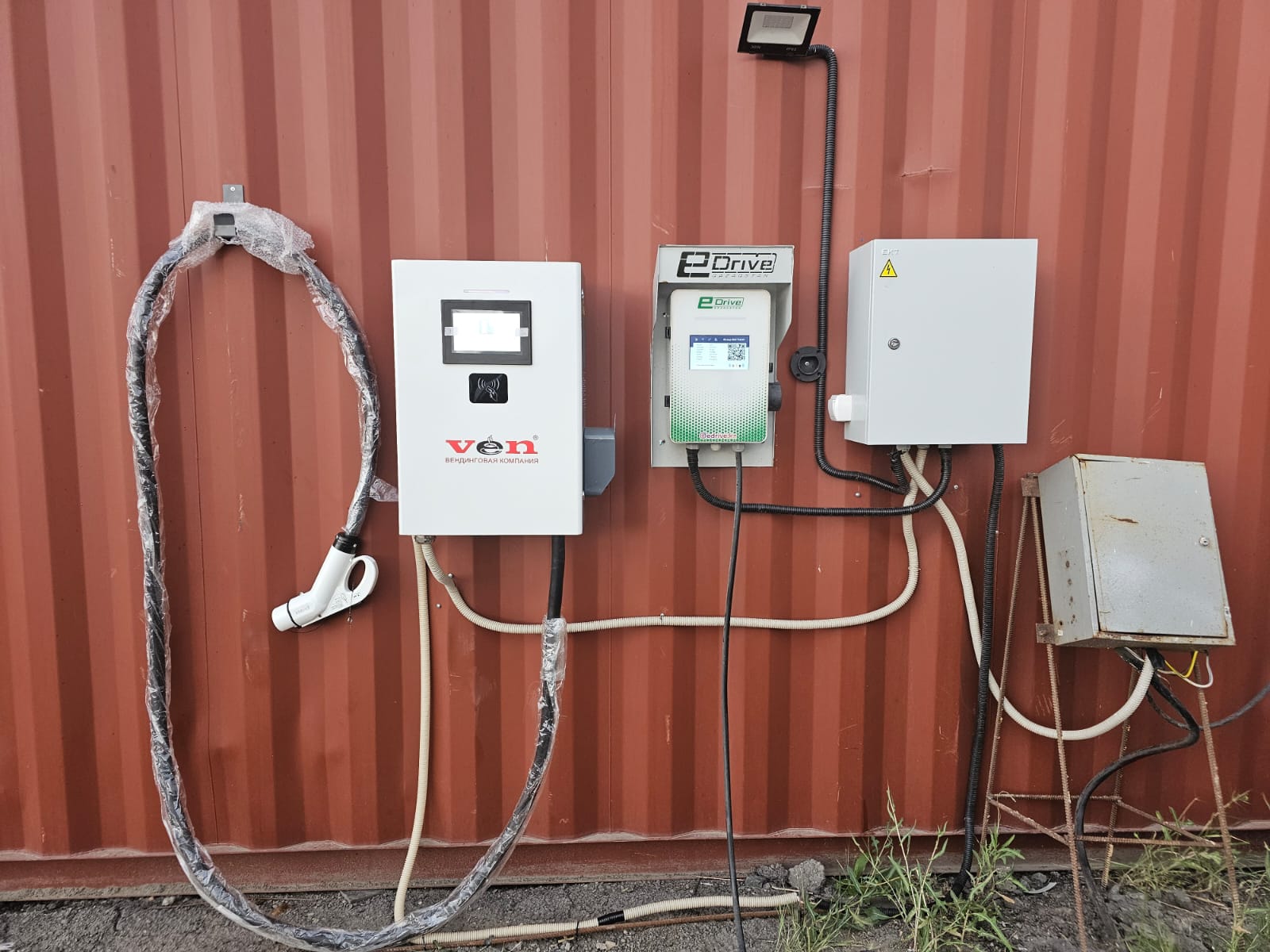
Which EVs use CHAdeMO? Check vehicles by market, model year and inlet, then decide whether a charging site should retain, share, add or retire CHAdeMO.

A nominal 22kW AC charger is commonly about 32A per phase. Learn why 6mm² is only a candidate and how ampacity, voltage drop, routing, protection and terminal limits determine the final cable.
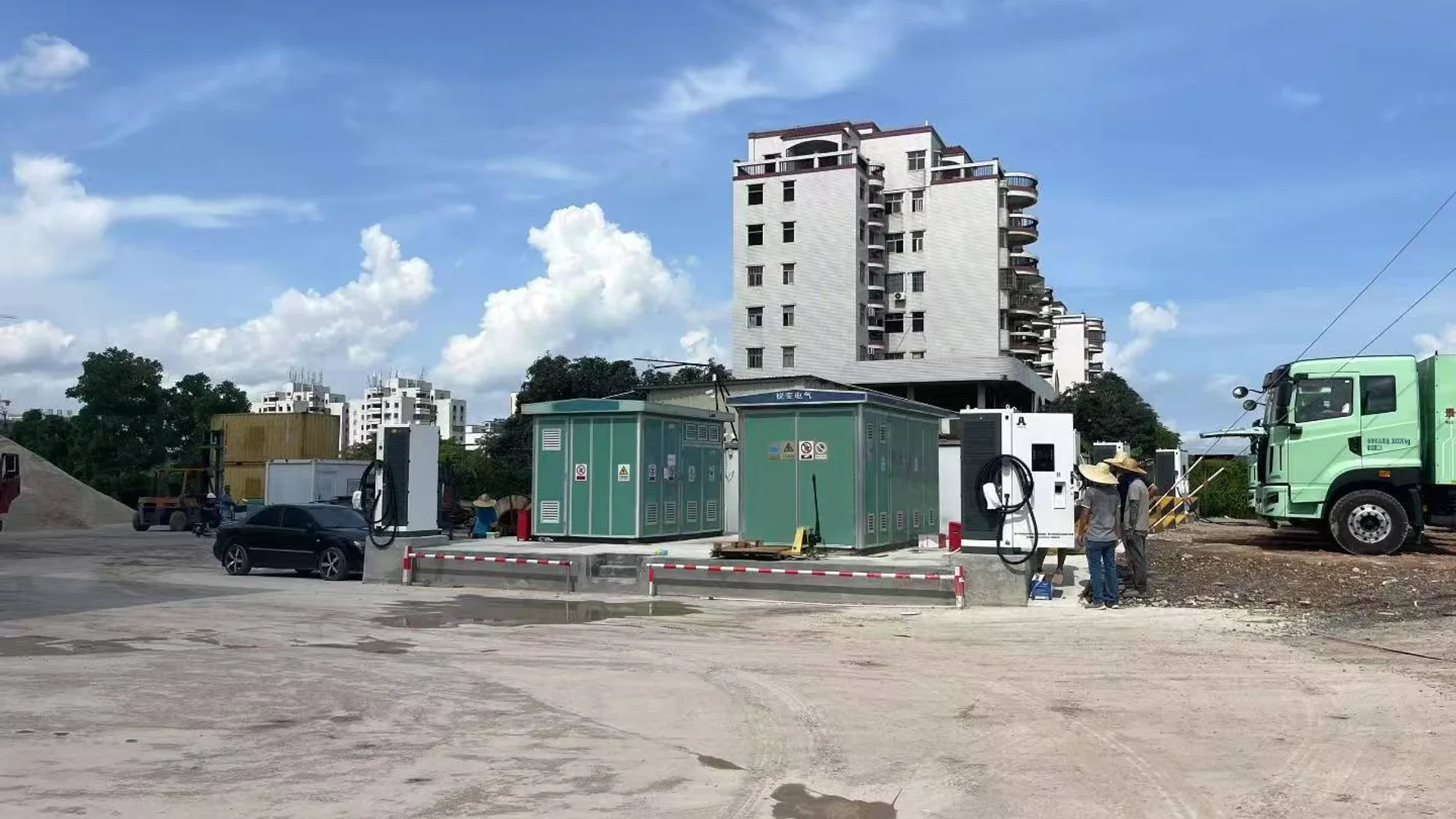
Specify dual gun charging with cabinet, per-port and concurrent power limits, allocation logic, OCPP boundaries and FAT/SAT test cases.

Compare HPC and conventional DC charging by vehicle acceptance, voltage, current, cooling, sustained power, concurrency, site capacity and acceptance evidence.