
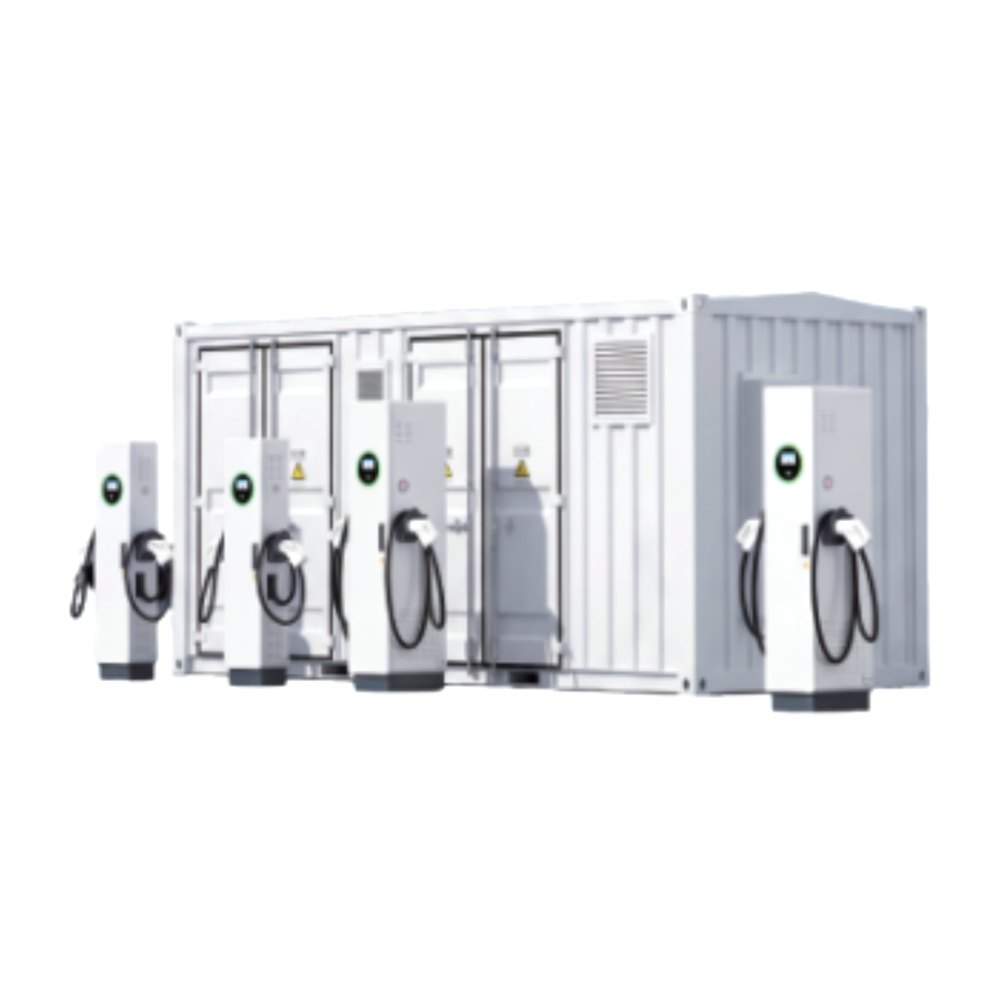
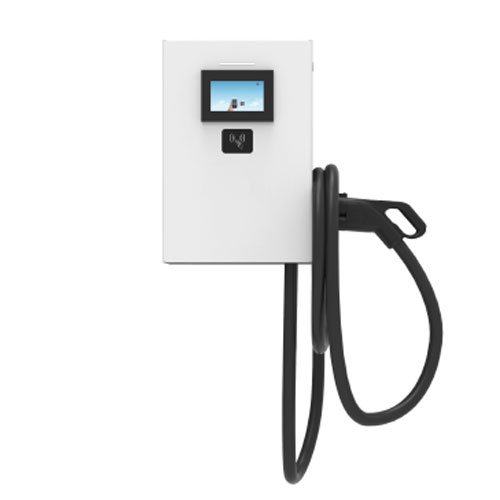
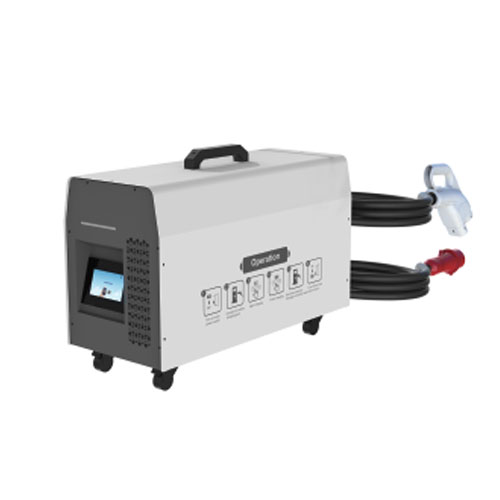
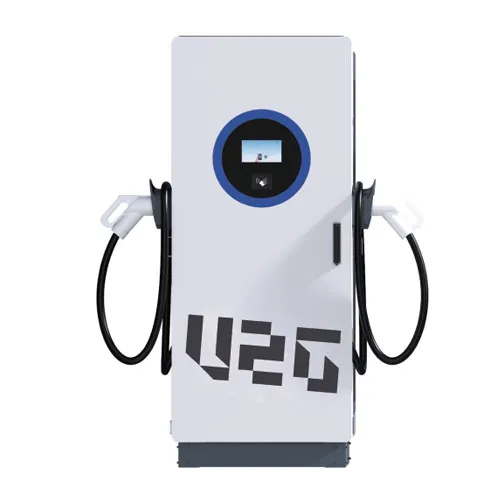
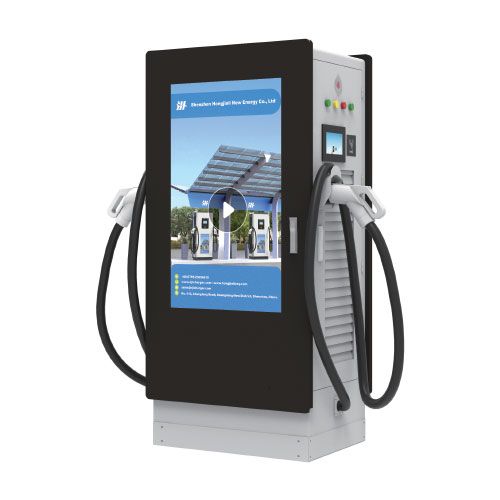
Which DC charger fits your project?
Most buyers start with a power number. It is safer to start with the job the charger must do. Use this table to find a starting point, then confirm it against your vehicles and site.
| Your project | Typical starting range | HG Power product | Why it fits |
|---|---|---|---|
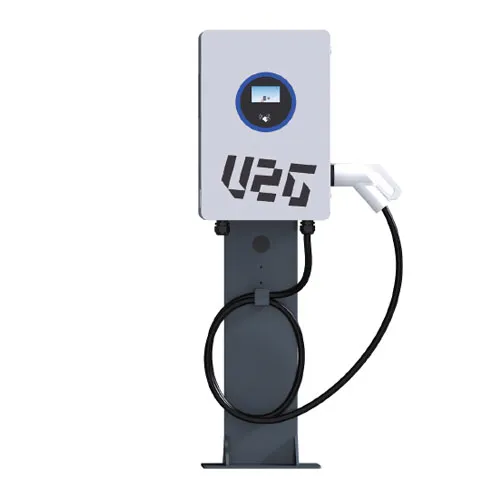
| Small workshop, service bay or light commercial site | 20–40 kW | DC wall-mounted charger | Wall mounting saves floor space |
| Mobile service or sites that move | 20–30 kW | Portable DC charger | Single output, no fixed foundation |
| Public car park, retail or hotel | 40–80 kW | DC charger station 40–80 kW | Ground-mounted with modest site power |
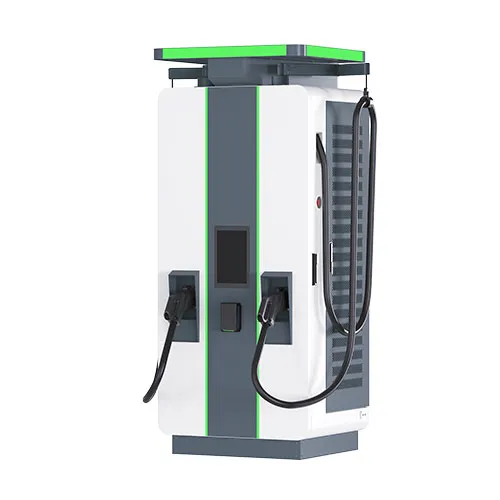
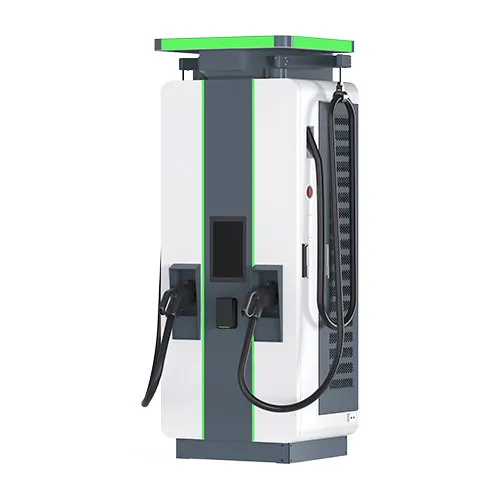
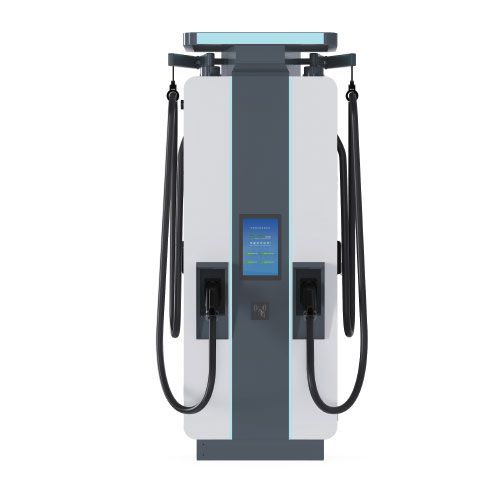
| Fleet depot or busy public site | 120–180 kW | Commercial DC fast charger | Two outputs share one cabinet |
| Highway, logistics or high-turnover hub | 200–480 kW | DC charger station 200–480 kW | Higher power for short dwell times |
| Several bays from one power cabinet | Project-based | Separated DC charging station | Cabinet and dispensers are installed apart |
| Megawatt hub at 380 Vac | 960 kW–2.6 MW | Aurora megawatt system | 10–24 outputs from one cabinet |
| Megawatt site with a 10 kV connection | 1.2–2.6 MW | 10 kV direct-connect charger | No large transformer |
| Sites that sell screen advertising | 30–160 kW | Advertising DC charger | 43-inch advertising screen |
| High-current charging | Project-based | Liquid-cooled charger | Liquid-cooled cable for higher sustained current |
Ranges are starting points. They are not a promise for your site. For a side-by-side view, read our 120 vs 240 vs 480 kW comparison.
The Four-Gate DC Charger Check
Before you compare prices, pass each project through four gates. A model that fails one gate is the wrong model, however good the quotation looks.
Gate 1: What can your vehicles actually accept?
A 240 kW charger cannot push 240 kW into a vehicle that accepts less. List each vehicle model, its connector, its maximum DC power and its battery voltage. Output voltage matters too: the specified HG Power DC range is 200–1000 V, and the vehicle must sit inside that window.
Gate 2: How much power can your site supply?
This is where many projects stall. Each model needs a real input current, and your transformer and supply must carry it.
| Model | Rated output | Input | Rated input current | Max current per connector | Dimensions (H×W×D) |
|---|---|---|---|---|---|
| Genesis 60 kW | 60 kW | 380 Vac ±15%, 50/60 Hz | 97 A | 200 A | 2000 × 720 × 450 mm |
| Genesis 120 kW | 120 kW | 380 Vac ±15%, 50/60 Hz | 194 A | 250 A | 2000 × 910 × 700 mm |
| Genesis 180 kW | 180 kW | 380 Vac ±15%, 50/60 Hz | 290 A | 250 A | 2000 × 910 × 700 mm |
| Genesis 360 kW | 360 kW | 380 Vac ±15%, 50/60 Hz | 582 A | 350 A | 2050 × 830 × 830 mm |
From HG Power CCS2 specification sheets. Other connectors and configurations can differ, so confirm yours in the quotation.
To check spare capacity, use our EV charging transformer sizing guide. If the supply is limited, ask about a lower-power model or a shared-power layout before you request a transformer upgrade. Our DC fast charger station design guide lists the site data to collect.
Gate 3: Which connector and protocol does your market use?
Output interfaces are configured by order. HG Power product specifications list CCS1, NACS, CCS2, CHAdeMO and GB/T as options. Choose by the vehicles in your market, and confirm each option for the exact model. Our CCS2, GB/T and CHAdeMO comparison explains the differences.
For networked sites, OCPP 1.6J and OCPP 2.0.1 are optional, with Ethernet, 4G and Wi-Fi connectivity. Tell us your backend platform early, because compatibility should be tested and not assumed. See the OCPP 2.0.1 vs 1.6 procurement guide.
Gate 4: How many vehicles charge at the same time?
The Genesis models have two outputs that share the cabinet's rated power. A 120 kW unit is 120 kW in total, so two vehicles at once will share it. Equal sharing would be about 60 kW each, though the real split depends on the vehicles and settings.
Picture a depot with six vans returning together. A single large unit may look cheaper, but the queue may decide the real cost. Work from dwell time and energy per vehicle. Our dual-gun power allocation guide shows how to test this.
Common specifications
| Item | Specification |
|---|---|
| Output voltage | 200–1000 Vdc |
| Efficiency | 95% at nominal output (Genesis CCS2 sheets) |
| Power factor | 0.99 above 50% load (Genesis CCS2 sheets) |
| Enclosure | IP54, forced-air cooling |
| Operating temperature | -25 to 55 °C |
| Screen | 12.1-inch touch screen on Genesis models |
| User authentication | RFID card, app, password; credit card by option |
| Protection | Over-current, under-voltage, residual current, surge, leakage, short circuit, over-temperature |
Specifications vary by model. Use the datasheet or quotation for your configuration as the final reference.
Order terms
| Term | HG Power |
|---|---|
| Minimum order | 1 unit |
| Lead time | 30–35 days after full payment |
| Warranty | 2 years |
| Payment | T/T (bank transfer) |
Where HG Power DC chargers are running
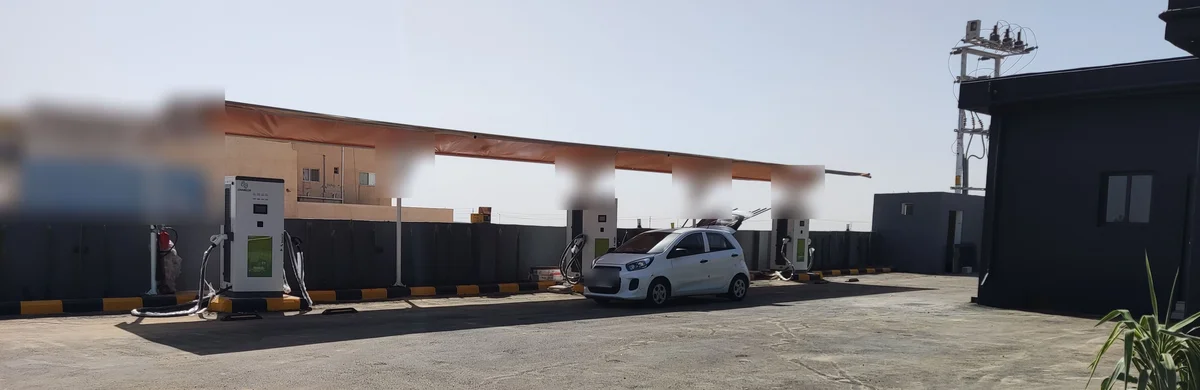
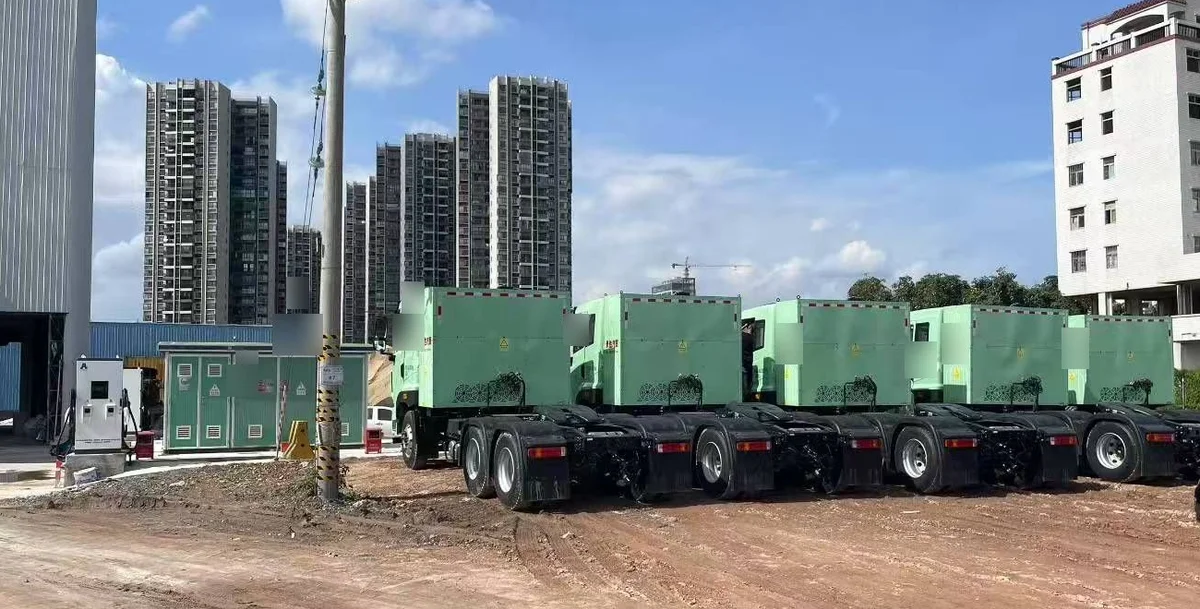
These are examples from HG Power project records. They show deployed quantities and site types, not guaranteed results for another site.
| Location | Site type | Equipment |
|---|---|---|
| Jordan | Commercial-area charging station | 240 kW charging station |
| Changsha, China | Public charging station | 44 × 120 kW dual-gun and 9 × 240 kW dual-gun DC chargers |
| Xiamen, China | Public parking charging station | 16 × 120 kW dual-gun and 1 × 60 kW single-gun DC chargers |
| Zhongwei, China | High-speed rail station | 218 DC chargers, including 40 for buses |
| Jiangmen, China | Port heavy-truck charging | 5 × 320 kW dual-gun DC chargers |
Power guides by rating
Each guide explains vehicle fit, site inputs and what to ask for in a quotation.
- 60 kW DC charger
- 80 kW DC charger
- 120 kW DC charger
- 240 kW DC charger
- 350 kW DC charger
- 480 kW DC charger
What affects the price of a DC fast charger?
We do not publish one price because the same power rating can be built in very different ways. These items move the quotation most:
- Rated power and number of outputs
- Connector types and cable length
- Air or liquid cooling
- OCPP version and backend integration
- Payment terminal and screen options
- Quantity and destination
Hardware is only part of the project. Civil work, grid connection, installation and commissioning are usually separate. See the commercial DC charger cost guide to plan your budget.
What should you check before the charger ships?
A good quotation is not the end of the buying process. Agree these points in writing so the delivered unit matches the unit you approved:
- Exact configuration: model code, rated power, connector types, cable length, screen language and payment options.
- Input match: site voltage, frequency and rated input current, checked against your supply.
- Backend test: a connection test with your OCPP platform, using the firmware that will ship.
- Vehicle test: a session with your main vehicle model, if you run a fleet.
- Factory test record: output, protection functions and emergency stop, with the serial number shown.
- Packing and spares: wooden crate, packing list, manuals and any agreed spare parts.
The charger manuals advise checking for transport damage and comparing the contents with the packing list as soon as the box is opened. Our DC fast charger station design guide covers factory and site acceptance in more detail.
Buying as a distributor or installer?
If you resell or install chargers, see our distributor programme. Before your first order, you can also use the Chinese EV charger manufacturer verification guide to check any supplier, including us.
Six questions buyers ask
What are your minimum order, lead time, warranty and payment terms?
The minimum order is 1 unit, lead time is 30–35 days after full payment, the warranty is 2 years and payment is by T/T bank transfer. Confirm the final terms for your configuration in the quotation.
What is the difference between a DC fast charger and a DC EV charger?
In practice, buyers use both terms for off-board chargers that convert AC to DC and feed the battery directly. "Fast" has no single kW threshold, so compare rated power, per-connector current and voltage range instead of the label.
How much power does a 120 kW DC charger need?
The HG Power Genesis 120 kW CCS2 model is rated at 194 A input at 380 Vac three-phase. Your electrician still needs to size the supply, protection and cabling to local rules, and to allow for any other loads on site.
Can one DC charger charge two vehicles at once?
Yes, on two-output models, but they share the cabinet's rated power. A 120 kW unit does not give each vehicle 120 kW. Check how the charger divides power before you plan your bays.
Which connector should I order?
Order the connector your vehicles use in your market. HG Power product specifications list CCS1, NACS, CCS2, CHAdeMO and GB/T as options. Confirm availability for the exact model, and consider two connector types for a mixed fleet.
What information do you need for a quotation?
Send the destination country, vehicle models, connector type, available supply, number of bays, required simultaneous sessions, backend platform and delivery date. With these details we can match a model and quote the right configuration.
Send your project details
Tell us your vehicles, site power and market. Shenzhen Hongjiali New Energy Co., Ltd. will reply with a suggested model and the specification to review.
Technical review: Marvin Zhou. Reviewed 4 November 2026.