How Long Does It Take to Charge an Electric Car? 7 kW, 30 kW and 60 kW Explained
Estimate electric-car charging time from usable energy, vehicle limits, average accepted power, SOC, temperature, power sharing and site dwell—not charger kW alone.
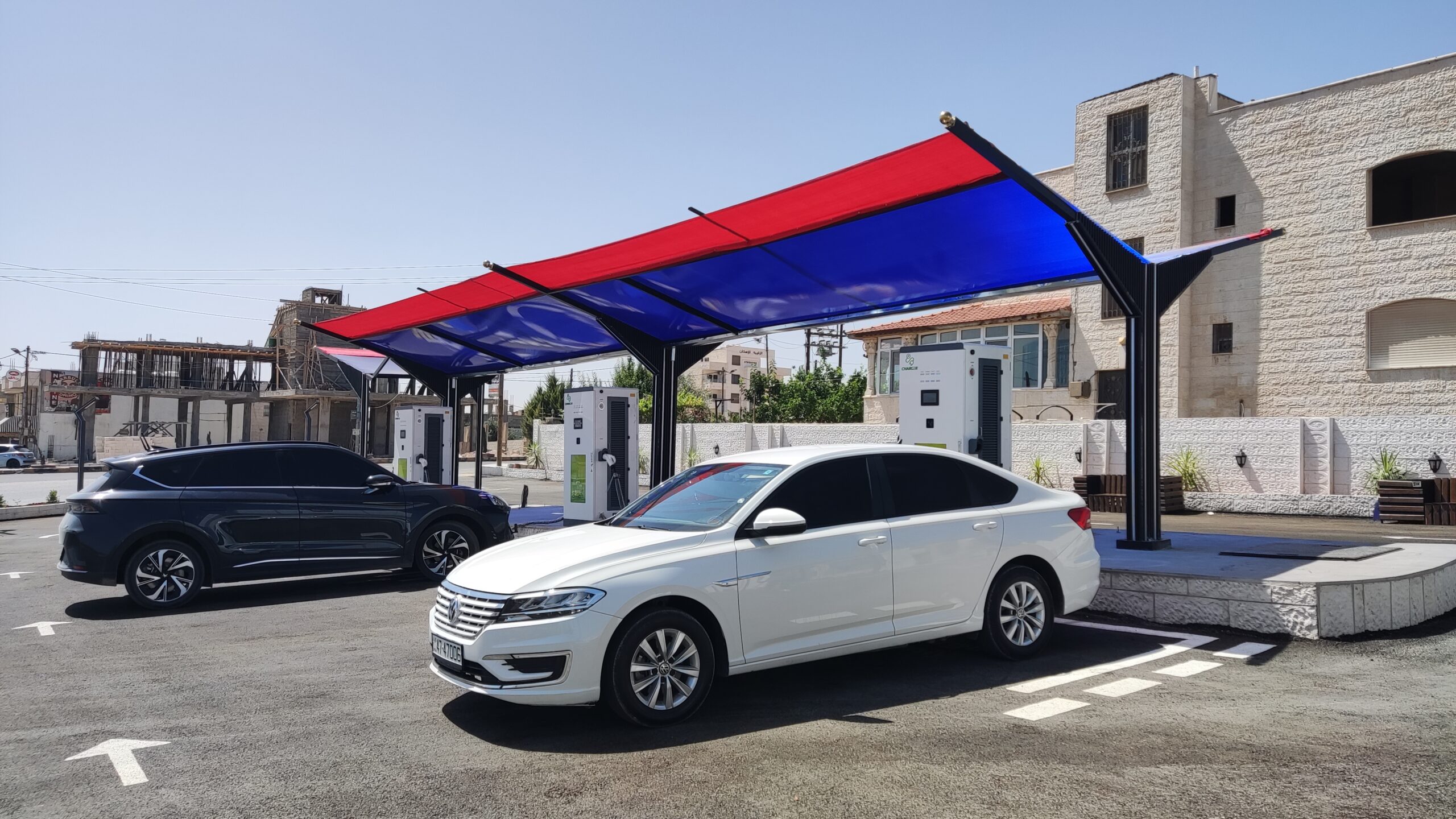
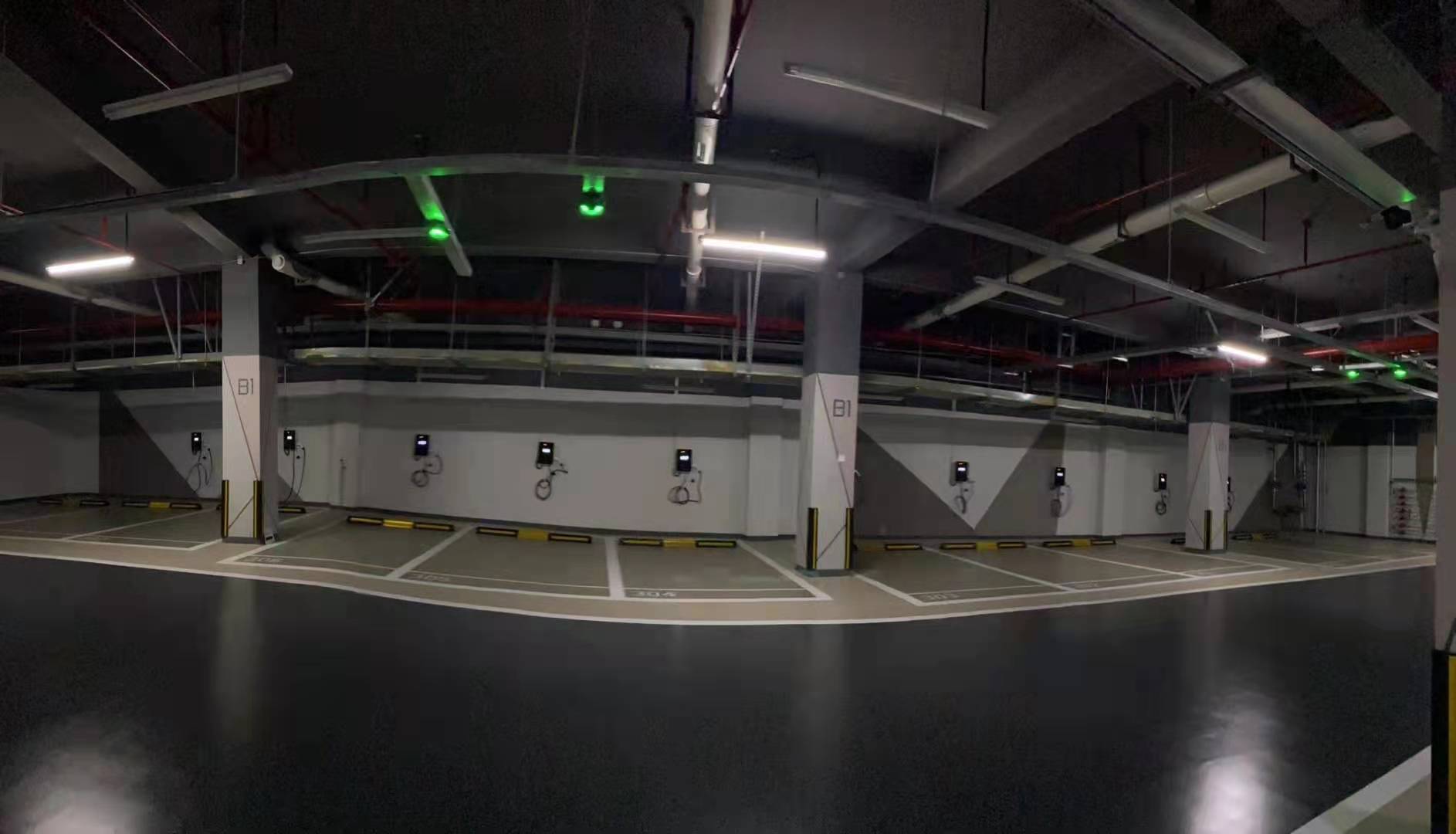
Estimate electric-car charging time from usable energy, vehicle limits, average accepted power, SOC, temperature, power sharing and site dwell—not charger kW alone.
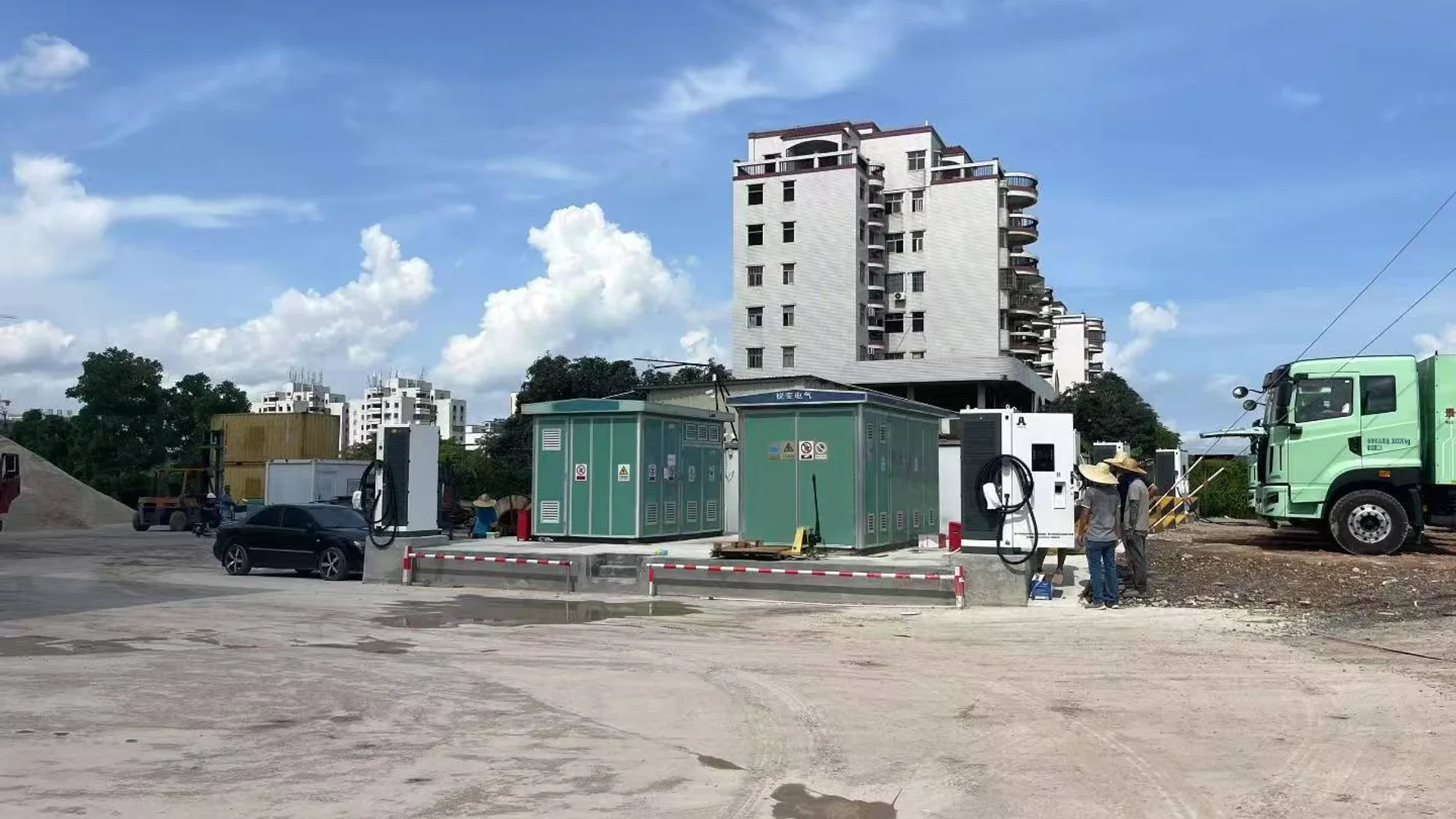
A procurement guide to EV charging station components, architecture boundaries, RFQ inputs and FAT/SAT evidence.

Choose 7, 11 or 22kW commercial AC charging by matching vehicle onboard limits, energy and dwell time, port access, site allocation and destination requirements.

Specify dual gun charging with cabinet, per-port and concurrent power limits, allocation logic, OCPP boundaries and FAT/SAT test cases.

Compare HPC and conventional DC charging by vehicle acceptance, voltage, current, cooling, sustained power, concurrency, site capacity and acceptance evidence.

Plan EV charging for offices, retail, hotels and mixed-use properties by defining parking, power, access, operations and expansion before choosing equipment.

Build an EV charging station business case around demand, tariffs, ownership, costs, operations and evidence before selecting chargers or forecasting ROI.

Plan public EV charging stations around demand, ownership, AC/DC mix, payment, accessibility, reliability and opening-day evidence—not charger kW alone.

Translate Level 3 charger terminology into a reviewable DC fast charger specification covering vehicles, power, current, concurrency, site input, protocols, and documents.

Buyer’s guide · Evidence-led · 2026 CCS Charger Buyer’s Guide CCS1 vs CCS2 is only the first decision. Match the market, vehicle, site, network and