
How to Become an EV Charger Distributor: Starter Lineup, First-Order Math and Factory Terms
What to stock first, how to price your first order on landed cost, and the ten terms to lock with a charger factory before you pay. Written by a factory that sells through distributors.
Reviewed by Marvin Zhou · Updated 23 November 2026
Direct answer: To become an EV charger distributor, pick one business model, stock a small three-tier lineup (AC chargers to hold, a compact DC unit to demo, larger DC only by project), price your first order on landed cost rather than the factory quote, confirm certificates per model for your market, and lock territory, warranty, training and spare-parts terms in writing before you pay.
Who wrote this: HG Power (Shenzhen Hongjiali New Energy Co., Ltd.) is a charger factory that sells through distributors, so we have a stake in the topic. The worksheet and checklist work with any supplier. Where we describe our own terms, they are the terms we offer today, and we say so.
What the usual checklist already covers
Search results for this question repeat the same five steps. They are correct, but none of them tells you what to buy or how much cash to set aside. Here they are in one table so the rest of this guide can focus on those decisions.
| Common step | What it means in practice |
|---|---|
| Register the business | A trading or electrical company that can import, invoice and offer warranty locally. If you already sell inverters or switchgear, you usually have this. |
| Choose a model | Stocking distributor, installer-reseller or project partner. See the table below. |
| Sell certified products | Certificates must match your market and the exact model. See the certification section. |
| Find installers | Distributors sell through licensed electricians and EPC contractors. Installation licensing is separate from product certification. |
| Apply to a supplier program | Compare the written terms, not the brochure. Use the factory terms checklist below. |
Step 1: Choose your distributor model
“Distributor” covers three different businesses. They need different cash, skills and stock. Pick one to start. You can add the others later.
| Model | You sell to | You hold | Cash and skills | Fits you if |
|---|---|---|---|---|
| Stocking distributor | Installers, electrical wholesalers, sub-dealers | AC stock, a few DC demo units, spare parts | Working capital for stock; a warehouse; one technical person for first-line support | You already supply electricians or solar installers |
| Installer-reseller | Site owners: hotels, offices, dealerships, small fleets | Little stock; units ordered per job | Licensed installation team; site survey and commissioning skills | You already do electrical contracting |
| Project partner | Charge point operators, fleet depots, developers, tenders | No stock; factory ships per project | Relationships and tender skills; can coordinate grid connection and civil works | You win larger electrical or energy projects |
A franchise or charging-station business is different again: you own the chargers and earn from charging sessions. If that is your plan, start with the site budget in our commercial charging station cost guide, not this one.
Step 2: Build a three-tier starter lineup
The fastest way to tie up cash is to stock every power rating a catalogue offers. We use three tiers instead. Each tier has its own buyers and its own stock rule.

| Tier | Typical products | Main buyers | Stock rule | Check before you buy |
|---|---|---|---|---|
| 1. Volume | AC chargers: 7 kW wall, 11–22 kW wall or column, 22–44 kW dual-output floor units | Installers, apartment and office buildings, hotels, workplace parking | Hold stock. Reorder when stock reaches the reorder point (Step 3) | Connector (Type 2 or Type 1), single- or three-phase supply, OCPP if the buyer runs a back office |
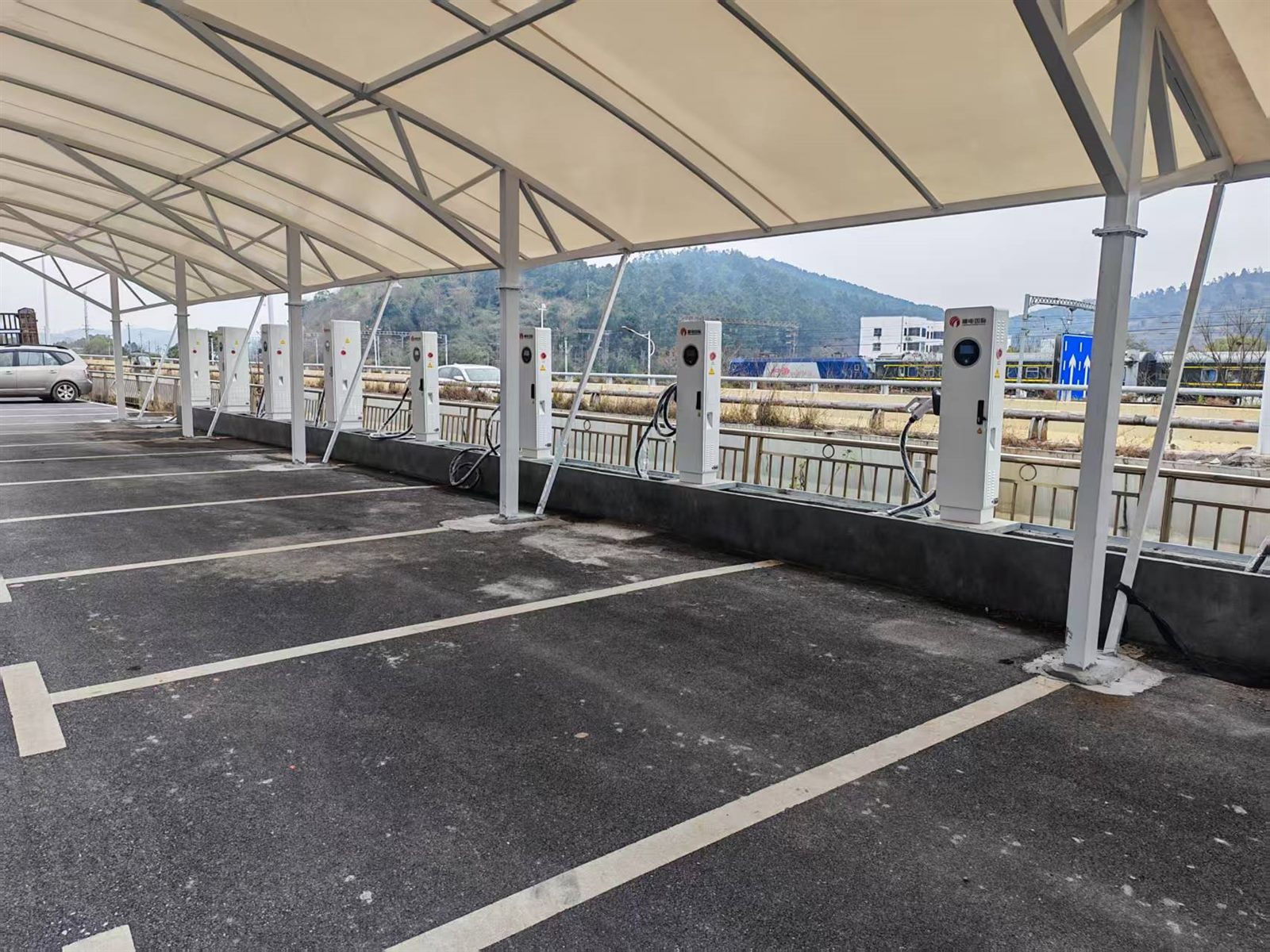
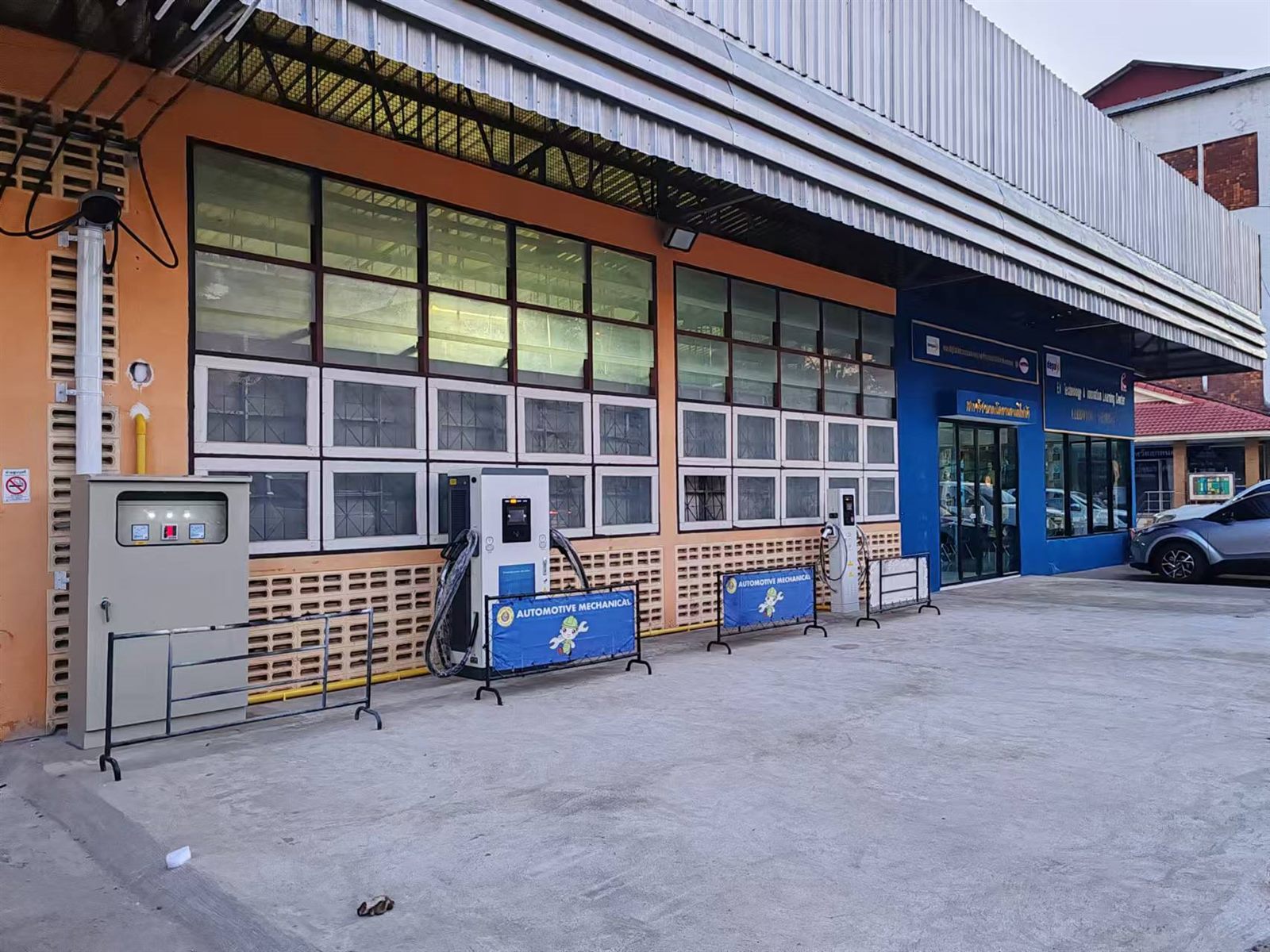
| 2. Margin | Compact DC: 20 / 30 / 40 kW wall or column mounted | Car dealerships, hotels, fleet depots, parking operators who need faster turnaround than AC | One or two demo units; reorder per confirmed order | Three-phase supply is required; connector (CCS2, CCS1, NACS, CHAdeMO or GB/T) must match local vehicles |
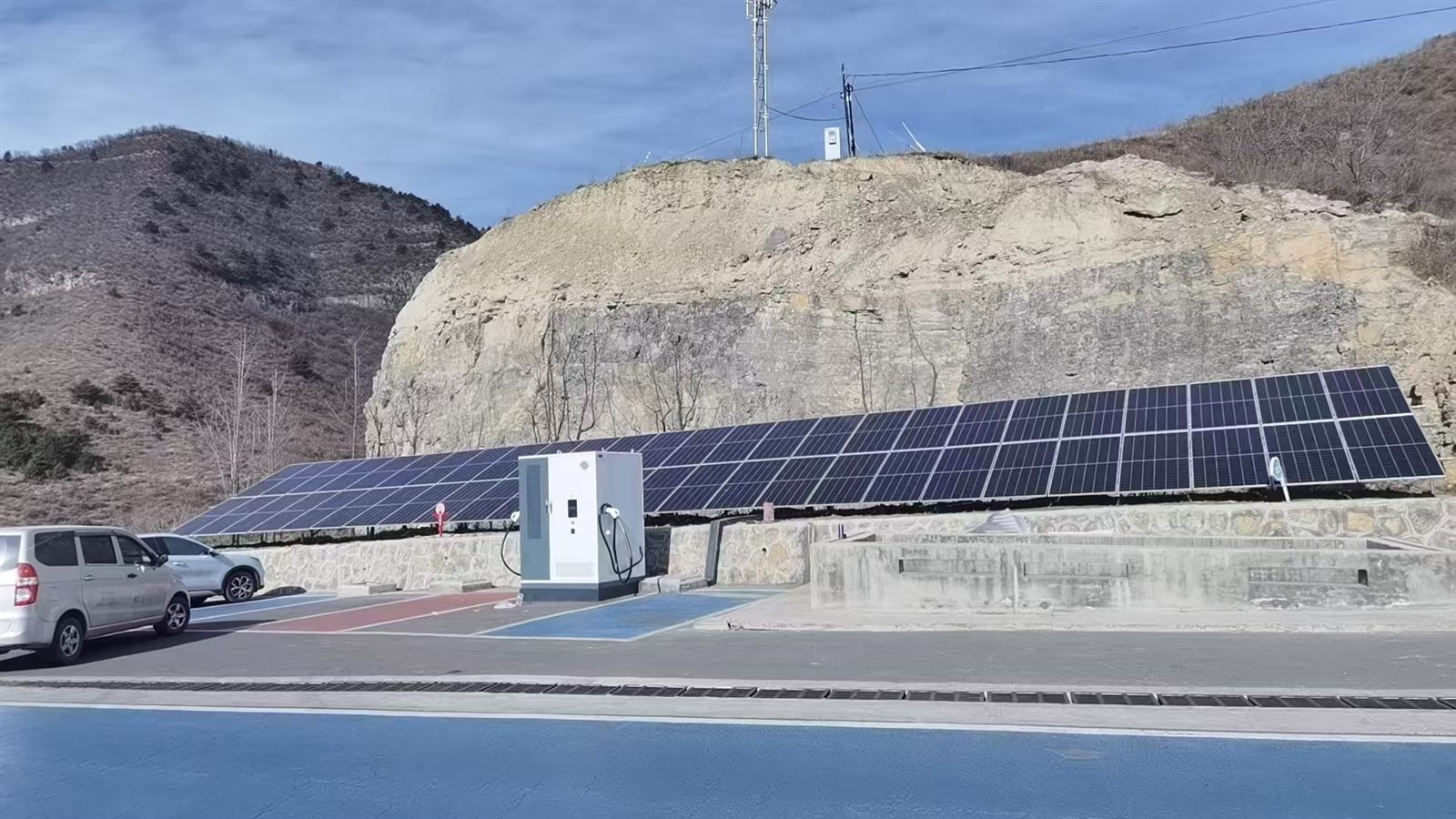
| 3. Project | 120–180 kW DC fast chargers, split DC stations, storage-charging systems | Charge point operators, fleet and bus depots, highway and retail sites, sites with limited grid supply | No stock. The factory proposes the configuration; you bring the customer, site data and installation | Grid capacity, number of bays, OCPP platform, local certification for the exact configuration |
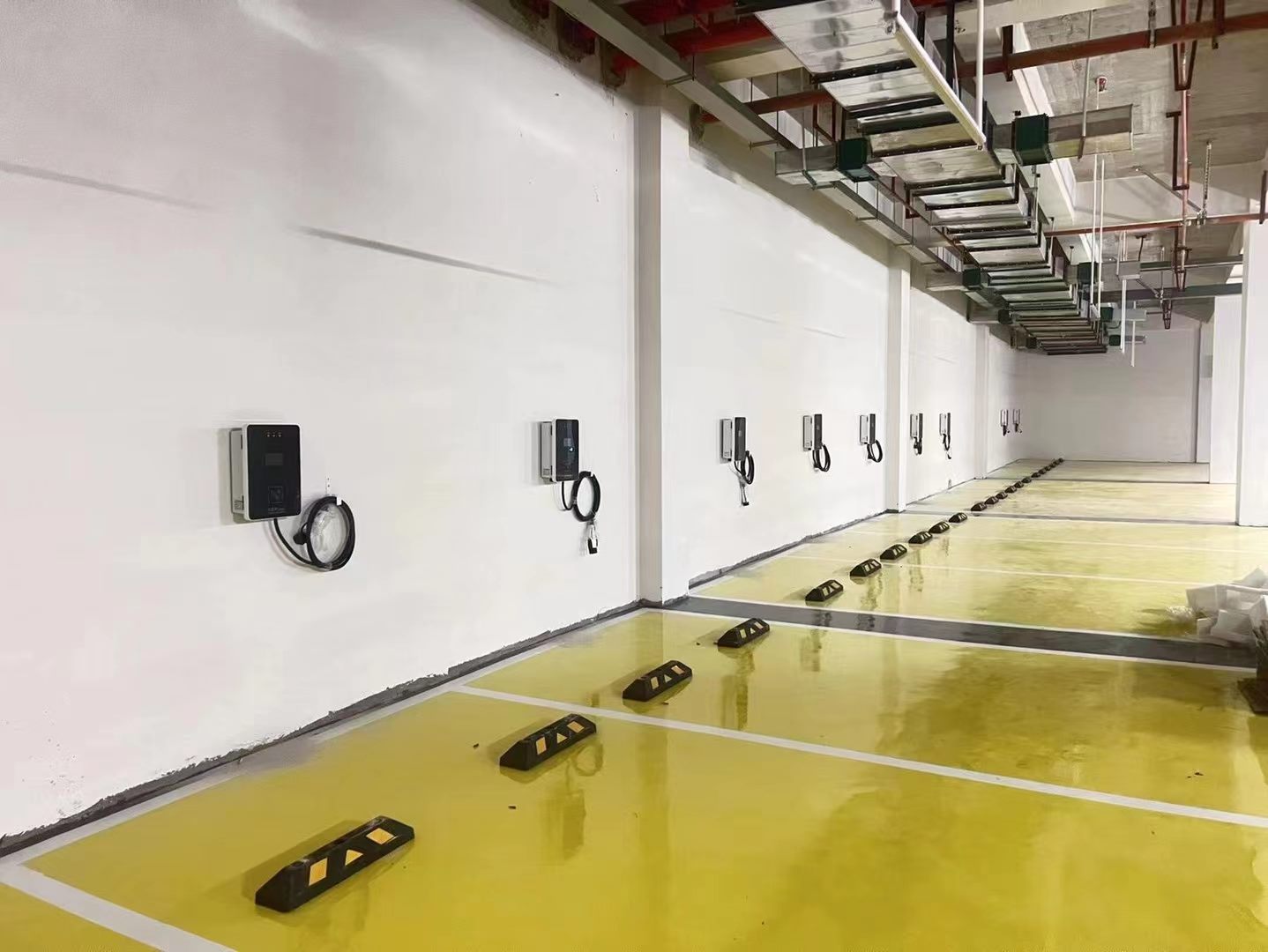
For HG Power, the tiers map to these product pages: AC wall-mounted 11–22 kW and AC floor-mounted 22–44 kW for Tier 1; DC wall-mounted 20–40 kW for Tier 2; and the 120–180 kW DC fast charger, split DC charging station and storage-charging system for Tier 3.
Match the lineup to your market before you order
The most expensive early mistake is stocking the wrong connector or supply voltage. Check which vehicles are actually sold in your country, then match:
| Market pattern | AC connector | DC connector | Supply to confirm |
|---|---|---|---|
| Europe, UK, Middle East, much of Southeast Asia, Australia | Type 2 | CCS2 | Single- or three-phase; confirm local voltage (commonly 230/400 V, 220/380 V in some countries) |
| North America | Type 1 (J1772); NACS growing | CCS1; NACS growing | 208/240 V AC; 480 V three-phase for DC |
| Markets importing many Chinese-brand EVs | Often GB/T alongside Type 2 | GB/T alongside CCS2 | Check the vehicles’ inlets, not the brochure |
| Japan and some older fleets | Type 1 | CHAdeMO | Check local grid |
Our CCS2 vs GB/T vs CHAdeMO guide covers the connector decision in detail.
Step 3: Work out your first order on landed cost
A factory quote is usually FOB or EXW. Your real unit cost is higher. Fill in this worksheet with your forwarder’s and customs broker’s figures before you decide quantities.
Landed cost per unit = factory price + freight and insurance share + import duty + import VAT or GST (if not recoverable) + clearance and local transport share + (certification and testing cost ÷ units you expect to sell in year one) + spare-parts reserve
Cash tied up in the first order = Σ (landed cost × quantity) for Tier 1 stock + Tier 2 demo units + spare-parts kit
Reorder point (Tier 1) = average monthly unit sales × replenishment time in months + safety stock
| Input | Where to get it | What goes wrong if you skip it |
|---|---|---|
| Factory price and Incoterm | Supplier quotation (FOB, CIF or DDP) | Comparing an FOB quote with a delivered quote makes the cheaper supplier look expensive, or the reverse |
| Freight and insurance | Your forwarder, per pallet or container | Small first orders often pay more per unit for freight than the duty |
| HS code and duty rate | A licensed customs broker in your country | The wrong classification can change the duty, delay clearance or cause penalties |
| Certification and testing | Your notified body or local test lab, and the supplier’s existing reports | Units held at customs or rejected in tenders |
| Spare-parts reserve | Supplier’s recommended spare list for your models | Warranty jobs wait for parts shipped from the factory |
| Replenishment time | Production lead time + transit + clearance | Stock runs out while the next shipment is still in production |
Where distributor margin actually comes from
Hardware resale is only one source, and it is the one competitors can undercut fastest. Plan for several:
- Hardware spread between landed cost and your selling price to installers or site owners.
- Accessories: pedestals, cable management, RFID cards, load-management meters.
- Installation and commissioning, either your own team or a fee from partner installers.
- Service contracts: preventive maintenance and fast replacement for commercial sites.
- Back-office software: if your units support OCPP, you can resell or bundle a charging-management platform.
We do not publish typical margin percentages. They depend too much on your market, volume and service model to be useful as a single number.
Step 4: Check certificates per model and per market
“CE certified” on a brochure does not tell you whether the model you are buying is covered, or whether your market accepts it. Treat certification as a document check for each model. Each market has its own scheme: for example, CE marking in the EU under the Low Voltage Directive and related directives, UKCA in Great Britain (which still recognises CE for many product types), and a listing from an OSHA-recognised lab in the US. Our EV charger certification by country guide covers each market in detail.
For a distributor, three checks catch most problems:
- The model name and rating on the test report match the nameplate of the unit you are buying.
- You know who is legally the importer or manufacturer of record in your market, and what that party must keep on file.
- Your installers hold the local electrical licence. Product certification does not cover installation.
HG Power’s company and product marks are listed on our certifications page. Certificates depend on the model, so ask for the report that names your exact model.
Step 5: Lock the factory terms in writing
Most distributor disputes start with something that was agreed verbally. Use this checklist when you compare suppliers. The last column shows what HG Power offers today, so you have one concrete reference point.
| Term | Why it matters | What to ask | HG Power today |
|---|---|---|---|
| Territory | Without it, a second distributor can sell the same brand in your city | Is the territory exclusive? Which area, for how long, against what targets? | One authorised distributor per country or region; area, term and targets written into the agreement |
| Minimum order | High MOQs force you to stock models you cannot sell | What is the MOQ for stock models, and for custom builds? | Stock models from one unit; custom builds agreed per project |
| Samples and demo units | You need units to show installers and test with your back office | How are samples priced and configured? | Quoted per model and configuration |
| Warranty | You carry the warranty promise to your customers | How long, from which date, and how are claims handled? | Two years |
| Spare parts | Determines how fast you can fix a unit in the field | Recommended spare list, pricing, and shipping time for parts | Agreed in the distributor agreement for your market |
| Training | Your team must answer technical questions and do first-line fixes | Product, installation and sales training: online, on site, or both? | Online and offline product and sales training |
| Lead time and payment | Sets your reorder point and cash cycle | Production lead time, payment terms, and what happens if it slips | 30–35 days after full payment; T/T |
| Certificates | Units must clear customs and pass tenders | Test reports naming the exact model, plus the issuing lab | Provided per model; ask before you order |
| Open software | Locked firmware ties you and your customers to one back office | Can the OCPP server URL and credentials be changed locally? Which OCPP versions? | OCPP 1.6 / 2.0.1 optional on listed models; confirm configuration in the quotation |
| Branding and rebates | Affects how you build your own name and your year-end margin | Is private label possible? Are rebates tied to volume? | Custom configurations agreed per project; rebate terms can be included in the agreement |
To vet the factory itself (ownership, production, quality records), use our guide to choosing an EV charger manufacturer in China. For branding options, see EV charger OEM and white label. For the software clause, see OCPP 2.0.1 vs 1.6 for procurement.

Your first 90 days
| Period | Goal | Actions |
|---|---|---|
| Days 1–30 | Agreement and first order placed | Sign territory and terms; confirm models, connectors and certificates; place the Tier 1 order and one Tier 2 demo unit; book training |
| Days 31–60 | Ready to sell when stock lands | Recruit two or three installer partners; prepare price lists and datasheets in your language; set up the demo unit on your own back office |
| Days 61–90 | First sales and first project lead | Deliver first installer orders; quote one Tier 3 project with the factory; record every support question for your FAQ |
Problems that sink new distributors
| Symptom | Usual cause | How to check | Fix |
|---|---|---|---|
| Stock not moving after three months | Bought ratings the installers do not ask for | Compare sales by model with your first order | Cut Tier 1 to the two fastest models; sell slow units as demo or project stock |
| Customers’ cars cannot charge | Wrong connector or protocol for local vehicles | List the top-selling EVs in your market and their inlets | Reorder with the right connector; agree a swap policy with the supplier |
| Tender rejected | Certificate does not name the offered model or is not accepted locally | Compare report model names with the nameplate | Request model-specific reports before bidding |
| Warranty jobs take weeks | No local spare parts | Count open warranty cases waiting for parts | Hold a spare-parts kit sized to your installed base |
| Another seller offers the same brand | No exclusive territory in the contract | Read the territory clause | Negotiate exclusivity with targets, or switch supplier at renewal |
When not to become a distributor
Distribution is probably the wrong first step if:
- You have no access to licensed installers. Chargers that nobody can install do not sell.
- You cannot fund stock plus at least one replenishment cycle. Selling only by project is the safer route at first.
- Your market has very few EVs on the road yet. A project partner model, or a charging-site business, may fit better.
- You want a single supplier to cover home, commercial and high-power ranges with local service in every city. Few factories can promise that, so check service coverage before you sign.
How HG Power works with distributors
HG Power is a charger factory in Shenzhen, founded in 2016. We sell AC chargers, wall-mounted and floor-mounted DC chargers, split DC systems and storage-charging systems to distributors, installers and EPC contractors. Our current distributor terms:
- One authorised distributor per country or region.
- Stock models from one unit.
- Sample pricing quoted per model and configuration.
- Online and offline product and sales training.
- Two-year warranty.
- Lead time of 30–35 days after full payment, by T/T.
We do not install chargers in your country. Installation, local permits and first-line service are the distributor’s or installer’s job, with support from our technical team as agreed for your market. Full details are on our distributor page.
Frequently asked questions
How much money do I need to become an EV charger distributor?
It depends on your model. A project partner needs little stock money. A stocking distributor needs enough to fund Tier 1 stock up to the reorder point, one or two DC demo units, a spare-parts kit, and certification costs. Use the landed-cost worksheet above with your own quotes to get the figure.
Is selling EV chargers profitable?
It can be, but hardware margin alone is easy to undercut. Distributors who also earn from installation, accessories, service contracts and back-office software tend to hold margin better. We do not quote a typical percentage, because it varies widely by market and volume.
Do I need an exclusive territory?
If you plan to hold stock and invest in marketing, yes. Without exclusivity, another seller can offer the same brand to your customers. HG Power authorises one distributor per country or region, with the area, term and targets written into the agreement.
What is the minimum order to start?
It varies by supplier. Some factories require batch orders before they will ship. HG Power ships stock models from one unit, so you can test a model before committing to volume. Custom builds are agreed per project.
Which chargers should a new distributor stock first?
AC chargers in the connector and phase your market uses, because installers buy them most often. Add one compact DC unit (20–40 kW) as a demo for dealerships, hotels and fleets. Order larger DC, split DC and storage systems only against a signed project.
Is becoming a distributor the same as opening a charging station franchise?
No. A distributor buys and resells equipment to installers and site owners. A franchise or charge point operator owns chargers and earns from charging sessions. The capital, risk and skills are different, so decide which business you are building first.
Sources
- HG Power distributor terms: hongjialicharge.com/distributor/ and HG Power management, November 2026.
- HG Power product specifications: product pages linked above. Specifications vary by connector and configuration; confirm in the quotation.
- European Union: Low Voltage Directive 2014/35/EU, EMC Directive 2014/30/EU, Radio Equipment Directive 2014/53/EU.
- United Kingdom: Using the UKCA marking.
- United States: OSHA Nationally Recognized Testing Laboratory program.
- Open Charge Alliance: Open Charge Point Protocol.
Apply to become an HG Power distributor
Send us your company website, the country or region you want to cover, your customer types (installers, site owners or projects), the product tiers you plan to start with, and your expected yearly volume. We will check whether the territory is open, match connectors and certificates to your market, and send datasheets and distributor terms. Apply on the distributor page.
Related reading: Top EV charger manufacturers in China · DC fast charger vs AC charger for commercial use · AC EV chargers